
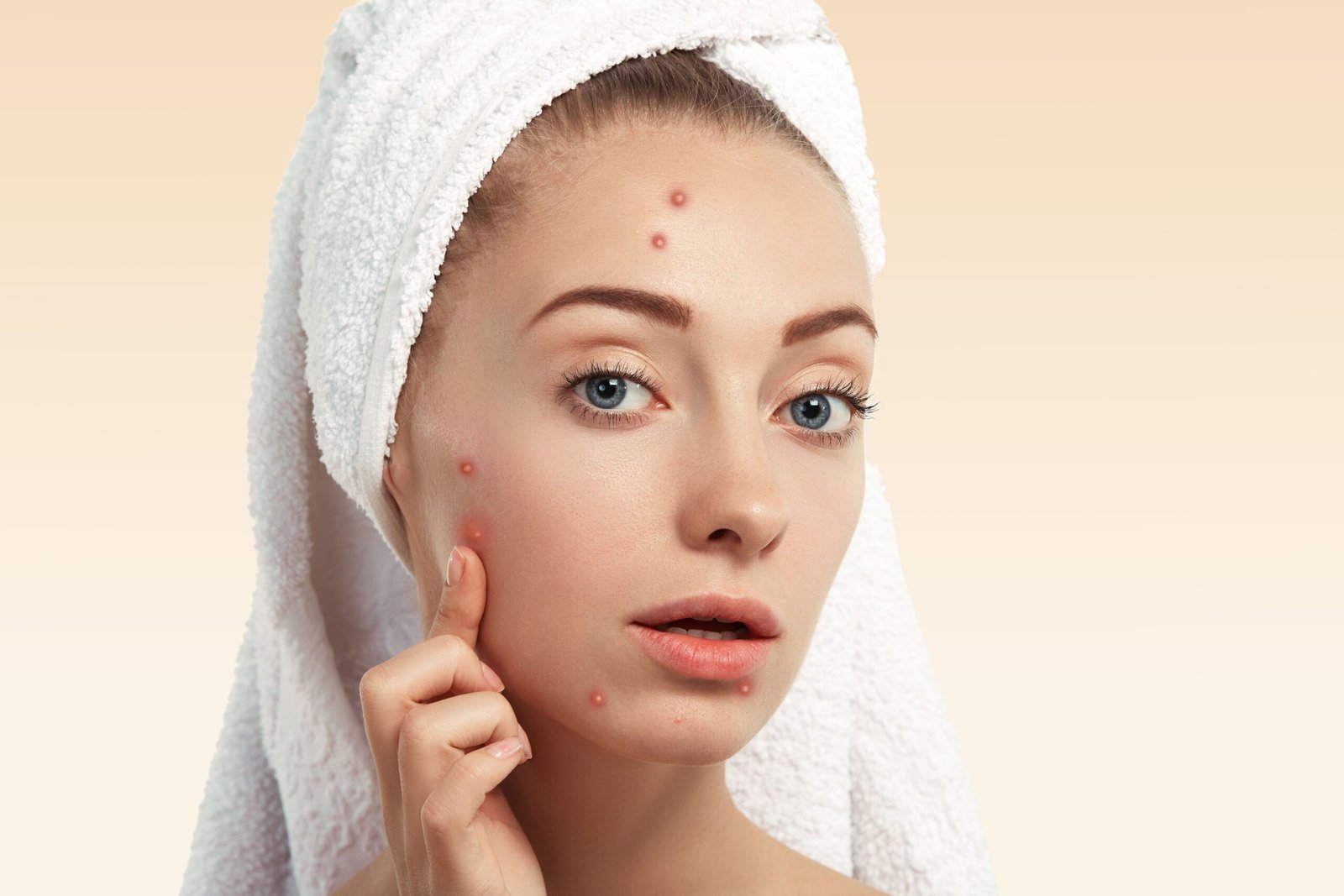
Acne is influenced by genetics, hormones, and inflammation — but lifestyle often determines how severe and persistent breakouts become. Daily habits affect oil production, hormonal balance, skin healing, and inflammation. By understanding how lifestyle factors worsen acne and the changes that can improve it, you can take meaningful control of your skin health.
1. Diet: High-Glycemic Foods and Dairy:
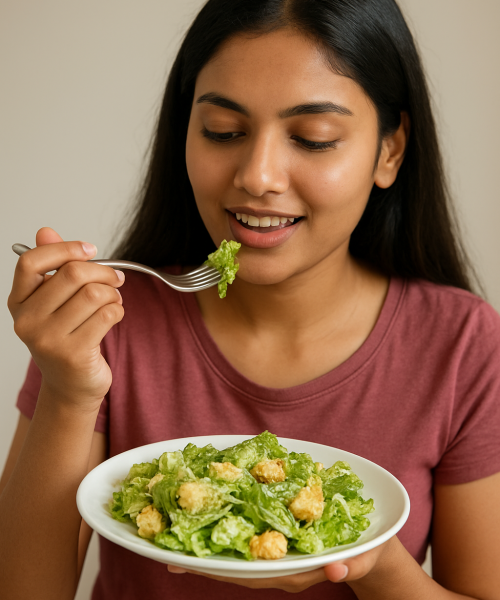
How diet aggravates acne:
High-glycemic foods like sugary snacks, white bread, and sweetened beverages raise insulin levels, which increases insulin-like growth factor-1 (IGF-1). This stimulates oil glands, increases inflammation, and accelerates skin cell turnover — all of which clog pores.
Dairy can add to the problem, especially concentrated dairy products (cheese, butter, chocolates, cakes etc) and whey protein. Milk naturally contains hormones and IGF-1 precursors, which can further fuel sebum production and worsen acne in sensitive individuals.
Lifestyle changes that help
Switching to a low-glycemic, anti-inflammatory diet can reduce acne severity. Focus on whole grains, vegetables, fruits, lean protein, and omega-3-rich foods like fish or seeds. If dairy triggers your breakouts, reducing or eliminating concentrated dairy products for 4–6 weeks may show noticeable improvement. Many people benefit from replacing whey protein with plant-based alternatives like pea or soy protein.
2. Stress Levels:
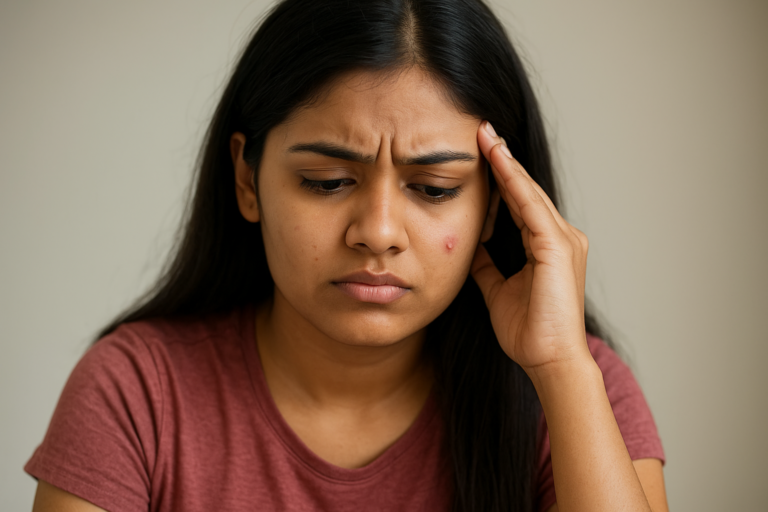
How stress aggravates acne:
- Stress triggers the release of cortisol, a hormone that stimulates oil glands, increases inflammation, and slows skin healing.
- This often leads to deeper, more persistent breakouts, especially around the jawline and chin.
- Chronic stress also affects sleep quality, immunity, and hormonal balance — all of which influence acne.
Lifestyle changes that help:
Incorporating simple stress management habits can significantly reduce stress-related acne. Regular physical exercise, mindfulness, deep breathing, yoga, journaling, or even a 10-minute daily walk can lower cortisol levels.
Consistent relaxation practices help regulate inflammation and keep breakouts under better control.
3. Sleep Quality:
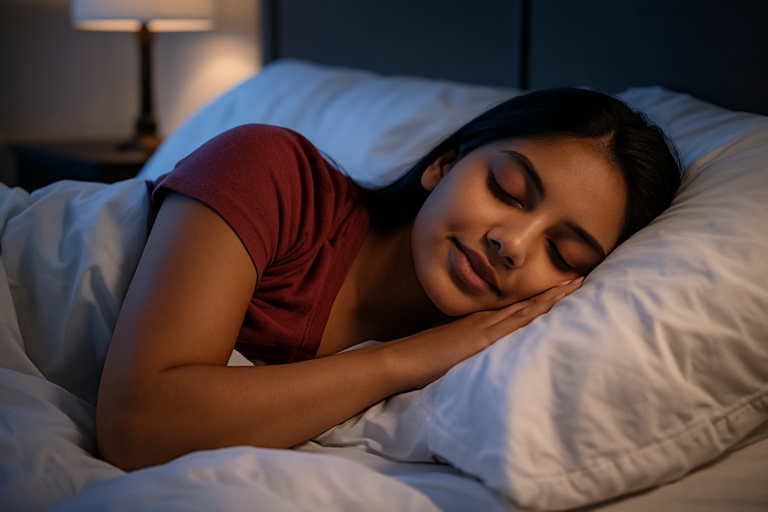
How poor sleep aggravates acne:
Insufficient or irregular sleep disrupts hormonal balance and raises cortisol, pushing the skin into an inflammatory state.
Poor sleep weakens the skin barrier, slows wound healing, and reduces the effectiveness of acne treatments. This combination results in more frequent and stubborn breakouts.
Lifestyle changes that help:
Aim for 7–9 hours of consistent, high-quality sleep. Establish a calming nighttime routine, limit screens an hour before bed, and keep your sleep environment cool and dark. Improved sleep supports hormonal regulation, strengthens the skin barrier, and enhances the skin’s natural repair processes, leading to clearer, healthier skin over time.
4. Skincare Habits:
How skincare mistakes aggravate acne:
Many people accidentally worsen acne with harsh or excessive skincare routines.
Over-cleansing, scrubbing, or using too many active ingredients can damage the skin barrier, increasing inflammation and breakouts.
Heavy makeup, pore-clogging lotions, or picking at pimples also trap bacteria and prolong healing.
Lifestyle changes that help
Adopt a gentle, consistent skincare routine. Use a mild, non-comedogenic cleanser, a lightweight moisturizer, and targeted treatments like salicylic acid, benzoyl peroxide, or niacinamide. Always consult your dermatologist before starting a new product. Avoid picking or squeezing pimples, avoid exfoliation and choose non-comedogenic makeup. Consistency matters more than intensity in acne care.
5. Exercise and Hygiene:
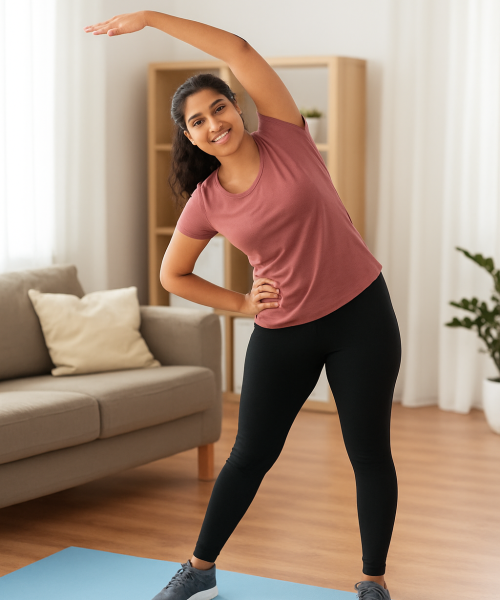
Lack of physical activity is strongly associated with acne:
Regular movement plays an important role in preventing breakouts, and a lack of physical activity is strongly associated with acne due to its effects on hormones, inflammation, and circulation.
When you don’t exercise, the body becomes less sensitive to insulin, which raises insulin levels and triggers more oil (sebum) production — a major driver of clogged pores and pimples.
Inactivity also increases stress hormones like cortisol, known acne triggers, while reducing blood flow that helps nourish the skin and remove toxins.
Low activity levels often go hand-in-hand with poor sleep, another major cause of pimples.
How sweat and friction aggravate acne:
Exercise is healthy, but sweat mixed with bacteria, oil, and tight clothing can clog pores — especially on the back, chest, and forehead.
Helmets, hats, and sweaty headbands can also lead to friction acne (mechanical acne), creating irritation and breakouts.
Lifestyle changes that help:
Adding moderate exercise such as walking, yoga, or strength training can help regulate hormones, reduce inflammation, lower stress levels, and support clearer skin naturally.
Practice proper post-workout hygiene. Shower or cleanse the skin shortly after sweating, avoid tight, non-breathable clothing, and clean gym equipment or headgear regularly.
The Bottom Line.
Lifestyle doesn’t replace medical treatment, but it plays a powerful role in controlling acne. Diet, sleep, stress, skincare habits, and hygiene all influence inflammation, oil production, and skin healing.
FAQs on Acne, Lifestyle, and Pimples
1. What are the most common acne triggers and why do I get pimples on my face?
Common acne triggers include high-glycemic foods, stress, poor sleep, hormonal fluctuations, and harsh skincare habits. These factors increase oil production and inflammation, making pimples on the face more frequent and harder to control.
2. What lifestyle changes for acne actually make a difference?
Effective lifestyle changes for acne include reducing sugar intake, limiting dairy, improving sleep quality, managing stress, and following a gentle skincare routine. These habits help regulate oil production and inflammation, naturally reducing acne and pimples over time.
3. What foods worsen acne and cause more pimples?
Foods that worsen acne include sugary snacks, fast foods, processed carbohydrates, and dairy—especially skim milk and whey protein. These foods raise insulin and IGF-1 levels, which trigger breakouts and increase pimples on the face and body.
4. What is an acne-friendly diet and can it reduce acne naturally?
An acne-friendly diet focuses on whole grains, vegetables, fruits, lean proteins, and omega-3-rich foods like fish and flaxseed. This diet reduces inflammation, balances hormones, and can help reduce acne naturally without medication.
5. Does sleep affect acne and pimples?
Yes. Poor sleep disrupts hormonal balance and increases cortisol & androgens, which leads to more inflammation and oil production. Good sleep habits are strongly linked to clearer skin, fewer pimples, and better acne control.
6. How does stress cause pimples and what is “stress acne”?
Stress increases cortisol, which triggers excess oil production and slows down skin healing. This leads to “stress acne,” typically seen as painful pimples around the chin and jawline. Stress-reduction techniques like deep breathing, yoga, and daily walking can improve acne and lifestyle balance.
7. Are there home remedies for acne and pimples that actually work?
Some safe home remedies for pimples include using green tea, aloe vera, ice for inflammation. While these can help soothe the skin, they work best alongside proven lifestyle changes for acne such as diet and sleep improvements. Speak to your dermatologist before using any natural products, as some of the home remedies might worsen the inflammation.
8. Can exercise help reduce acne and prevent pimples?
Regular exercise improves circulation, reduces stress, and supports healthy hormones—all of which help prevent acne and pimples. However, not cleansing after workouts can worsen breakouts, especially on the back and chest.
9. Does dairy really cause acne and more pimples?
For many people, yes. Dairy—especially skim milk and whey protein—contains hormones and IGF-1-stimulating compounds that worsen breakouts. Reducing dairy is a common lifestyle change for acne that often leads to fewer pimples within a few weeks.
10. How can I reduce pimples naturally without harsh products?
To reduce pimples naturally, focus on an acne-friendly diet, consistent sleep, stress reduction, regular exercise, and gentle skincare. Avoid over-washing and stick to non-comedogenic products. These lifestyle strategies are some of the most effective long-term solutions for clearer skin. Speak to your dermatologist before using any natural products.
References:
- Smith RN, Mann NJ, Braue A, Mäkeläinen H, Varigos GA. The effect of a high-protein, low glycemic-load diet versus a conventional, high–glycemic-load diet on biochemical parameters associated with acne vulgaris. J Am Acad Dermatol. 2007;57(2):247-256.
- Adebamowo CA, Spiegelman D, Berkey CS, Danby FW, Rockett HH, Willett WC. Milk consumption and acne in adolescent girls. Dermatol Online J. 2006;12(4):1-12.
- Melnik BC. Diet in acne: Further evidence for the role of nutrient signaling in acne pathogenesis. Acta Derm Venereol. 2012;92(3):228-231.
- Min S, et al. Psychosocial stress and sleep quality in patients with acne vulgaris. J Clin Aesthet Dermatol.2021;14(8):29-34.
- Agamia NF, et al. Impact of lifestyle factors on acne vulgaris in adolescents and young adults. J Cosmet Dermatol.2020;19(6):1312-1318.