
Nail infections are a common condition affecting both fingernails and toenails. They are most often caused by fungal or bacterial organisms, but certain nutritional deficiencies, medical conditions, and lifestyle factors can weaken the nails and increase susceptibility to infection.
Understanding the causes, identifying who is at risk, and taking preventive measures can help maintain healthy nails and prevent recurrent infections.
Nail infections occur when microorganisms invade the nail plate, nail bed, or surrounding skin.
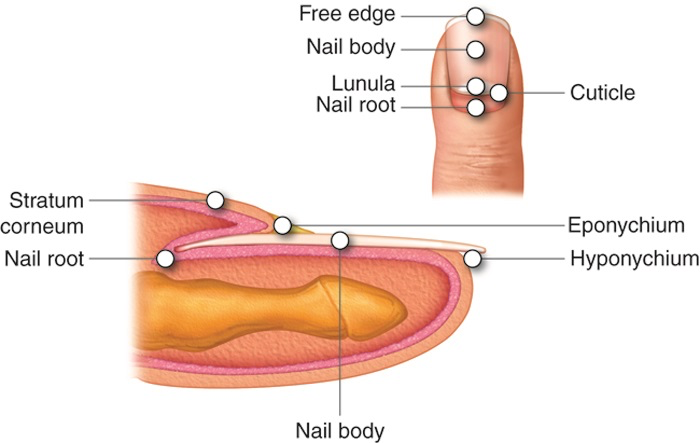
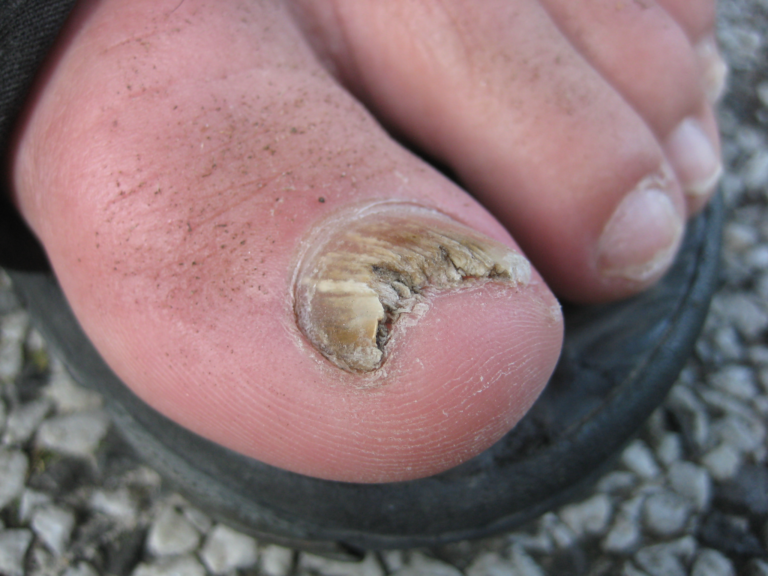
Fungal nail infections are the most common type of nail infection. They are caused by dermatophytes, yeasts, or molds and tend to develop slowly. Fungi thrive in warm and moist environments, which is why toenails are more commonly affected than fingernails.
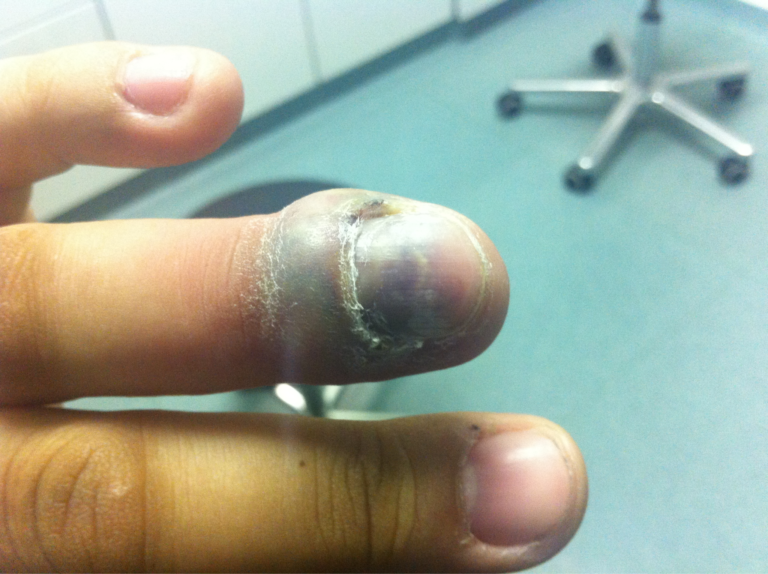
Bacterial nail infections usually develop suddenly and commonly affect the skin around the nail (paronychia). They may be painful and inflamed, with redness, swelling, or pus formation. Certain bacteria, such as Pseudomonas, can cause green or dark discoloration of the nail.
Nail infections usually occur due to a combination of external exposure and internal factors.
Frequent exposure to water, sweaty shoes, humid weather, and use of public showers or swimming pools increases the risk of fungal infections.
Cuts, cracks, aggressive manicures, nail biting, or tight footwear can damage the nail barrier, allowing bacteria and fungi to enter.
People with diabetes, poor circulation, immune suppression, or chronic skin conditions such as eczema and psoriasis are more prone to nail infections.
Vitamin and mineral deficiencies can weaken nails, making them brittle, slow-growing, and more vulnerable to infections. Poor nail health does not directly cause infection but reduces the nail’s natural defense against microbes.
Deficiencies commonly associated with nail problems include:
Maintaining adequate nutrition plays an important role in nail strength and resistance to infections.
A balanced diet or dermatologist-recommended supplements can help improve nail strength and support recovery during infection treatment.
Persistent or painful symptoms should be evaluated by a dermatologist.
Consult a dermatologist if:
Early diagnosis helps determine whether the infection is bacterial, fungal, or related to nail weakness from nutritional deficiency.
Nail infections are common and often preventable. While fungi and bacteria are the main causes, vitamin deficiencies and poor nail health can increase susceptibility to infection. Good hygiene, proper nail care, balanced nutrition, and timely dermatological treatment play a crucial role in keeping nails healthy and infection-free.