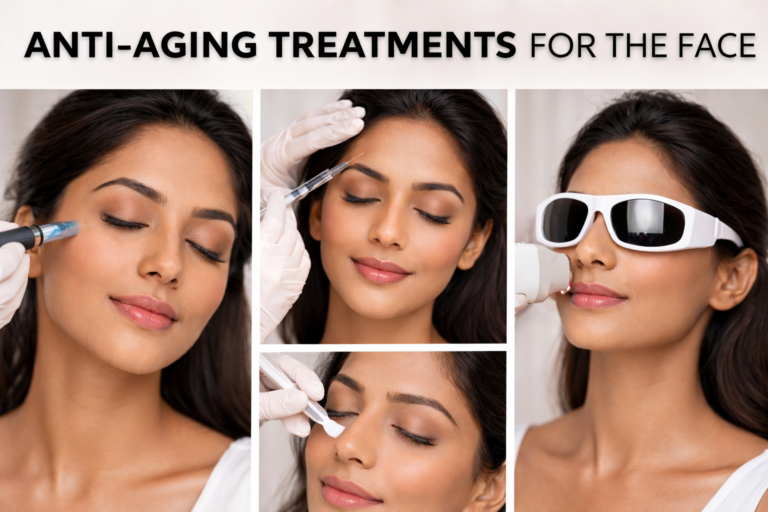
Facial aging is a gradual and multifactorial process influenced by intrinsic factors such as genetics and hormonal changes, as well as extrinsic factors including ultraviolet exposure, pollution, lifestyle habits, and stress.
Common visible signs of aging include fine lines, wrinkles, volume loss, uneven skin tone, pigmentation, and skin laxity.
Advances in dermatology and aesthetic medicine now offer a wide range of scientifically proven anti-aging treatments for the face, performed safely under the supervision of expert dermatologists and aesthetic physicians. These treatments aim not only to correct visible signs of aging but also to improve skin quality, stimulate collagen production.
As we age, the skin undergoes structural and functional changes. There is a progressive decline in collagen and elastin, reduced hyaluronic acid content, thinning of the dermis, and redistribution of facial fat. Repeated facial expressions contribute to dynamic wrinkles, while cumulative sun exposure accelerates photoaging.
Effective anti-aging treatment focuses on addressing these underlying changes through targeted medical and aesthetic interventions.
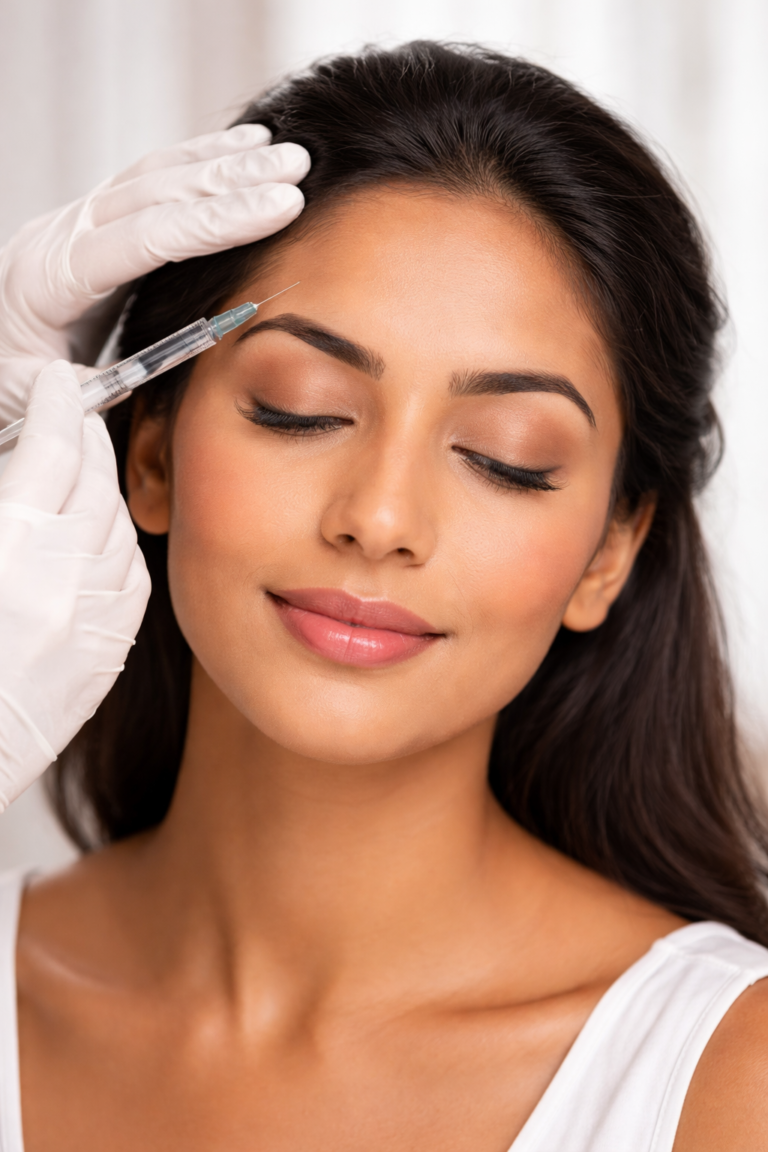
Botulinum toxin is one of the most widely studied and commonly performed anti-aging treatments worldwide.
Dynamic wrinkles such as forehead lines, frown lines, and crow’s feet.
Botulinum toxin temporarily relaxes specific facial muscles, reducing repetitive muscle movement that leads to wrinkle formation.
Smoother skin, prevention of deeper wrinkle formation, and a refreshed facial appearance.
Clinical studies have consistently demonstrated the safety and efficacy of botulinum toxin for facial rejuvenation when administered by trained dermatologists and aesthetic physicians.
Dermal fillers play a crucial role in facial anti-aging by restoring lost volume and improving facial contours.
Hyaluronic acid fillers, calcium hydroxylapatite, and poly-L-lactic acid.
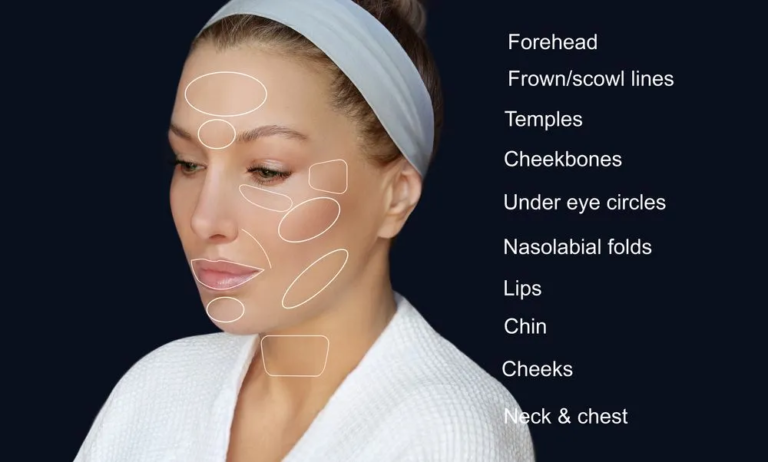
Nasolabial folds, marionette lines, cheek volume loss, under-eye hollows, and jawline definition.
Fillers provide immediate volume replacement and, in some formulations, stimulate collagen production over time.
Scientific literature supports their effectiveness in facial rejuvenation, with high patient satisfaction when appropriately selected and placed by experienced Dermatologists.
LASER skin rejuvenation is a safe and effective treatment used to improve skin quality and reduce signs of aging. It is commonly recommended by dermatologists to treat dull skin, pigmentation, and early wrinkles.
LASER treatments help with:
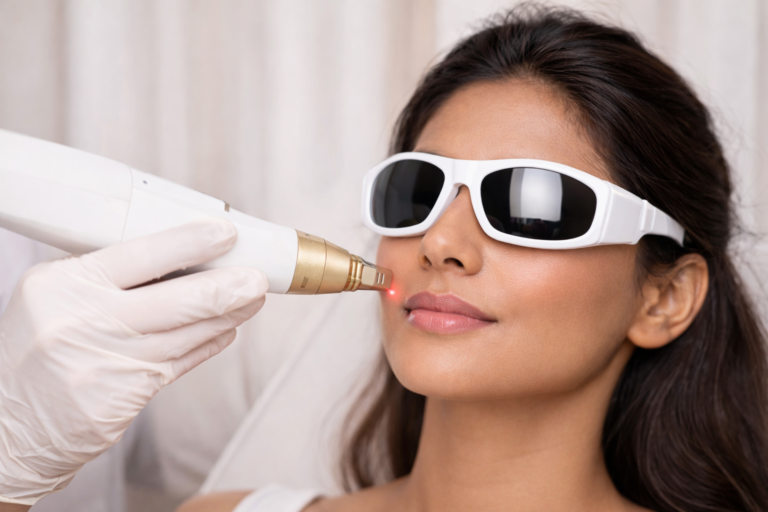
Commonly used for pigmentation, tanning, and uneven skin tone. It is safe and effective for Indian skin types.
Used for skin resurfacing to improve fine lines, acne scars, and overall skin texture.
LASER energy gently heats the skin microscopically, stimulating the natural healing process. This leads to new collagen formation, which improves skin firmness, smoothness, and overall appearance over time.
LASER treatments are completely safe when performed by trained dermatologists using appropriate settings. Modern LASERs allow customized treatment based on skin type, ensuring good results with minimal risk and downtime.
HIFU is a non-surgical skin tightening and lifting treatment.
Mild to moderate skin laxity of the face, jawline, and neck.
Focused ultrasound energy targets deeper layers of the skin, stimulating collagen contraction and regeneration.
Clinical evidence supports HIFU as an effective option for patients seeking non-invasive facial tightening with minimal downtime.
Microneedling is a minimally invasive procedure that improves overall skin quality.
Fine lines, acne scars, enlarged pores, and uneven skin texture.
Controlled micro-injuries stimulate the body’s natural wound-healing response, leading to increased collagen and elastin production.
Microneedling is supported by dermatologic studies as a safe and effective treatment when performed by trained professionals. It is often combined with platelet-rich plasma (PRP) and GFC to enhance results.
Chemical peels are a time-tested dermatological treatment for skin rejuvenation.
Glycolic acid, salicylic acid, lactic acid, and trichloroacetic acid (TCA).
Fine lines, acne scars, enlarged pores, and uneven skin texture.
Controlled micro-injuries stimulate the body’s natural wound-healing response, leading to increased collagen and elastin production.
Microneedling is supported by dermatologic studies as a safe and effective treatment when performed by trained professionals. It is often combined with platelet-rich plasma (PRP) and GFC to enhance results.
Topical retinoids remain the gold standard in anti-aging skincare.
Improved collagen synthesis, increased cell turnover, reduction in fine lines, and improved pigmentation.
Multiple clinical trials confirm the long-term benefits of retinoids in managing photoaging and improving skin texture.
Vitamin C, niacinamide, peptides, and broad-spectrum sunscreens play an essential role in maintaining and enhancing treatment results. Daily sun protection is critical to prevent further collagen degradation and premature aging.
Anti-aging treatments require a thorough understanding of facial anatomy, skin biology, and aging patterns. A board-certified dermatologist ensures accurate diagnosis, appropriate treatment selection, and safe administration.
Personalized combination therapy, rather than a single treatment, delivers the most natural and long-lasting anti-aging results.

Modern facial anti-aging treatments offer effective, evidence-based solutions for maintaining youthful, healthy skin. From injectables and energy-based devices to medical skincare and collagen-inducing procedures, expert dermatologists provide comprehensive treatment plans tailored to individual needs.
When guided by scientific research and clinical expertise, anti-aging treatments can significantly improve skin quality, restore facial harmony, and age the face gracefully.