Keloids and Hypertrophic Scars: Causes, Differences, Prevention, and Treatment Options.

Scarring is a natural part of the skin’s healing process. However, in some individuals, scars can become raised, thick, itchy, or cosmetically distressing. Two such abnormal scars are keloids and hypertrophic scars. These conditions are common in darker skin types, including Indian skin, and often require expert dermatological care for optimal management.

What Are Keloids?

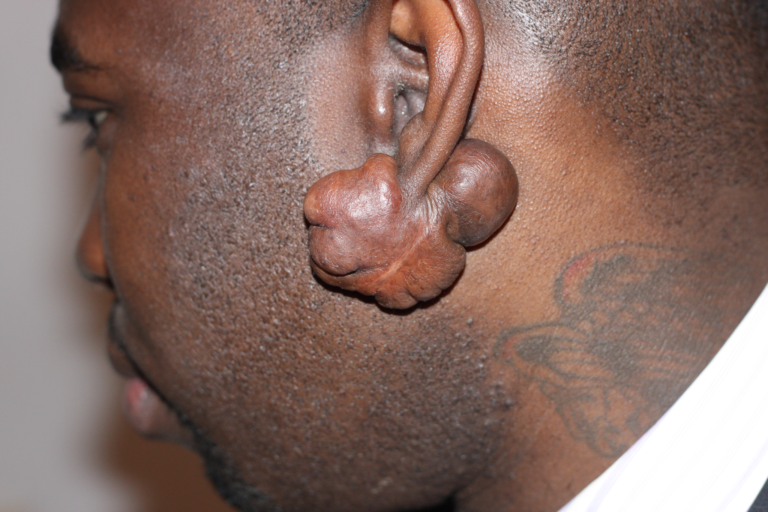
Keloids are abnormal scars that grow beyond the original wound boundaries due to excessive collagen production during healing. Unlike normal scars, keloids do not regress over time and may continue to enlarge slowly.
Common Features of Keloids

  • Extend beyond the original injury.
  • Firm, rubbery, or hard texture.
  • Pink, red, brown, or dark in color.
  • May cause itching, pain, or burning.
  • High tendency to recur after treatment.

Common Sites

  • Ear lobes (after piercing).
  • Chest and upper back.
  • Shoulders.
  • Jawline and neck.

What Are Hypertrophic Scars?

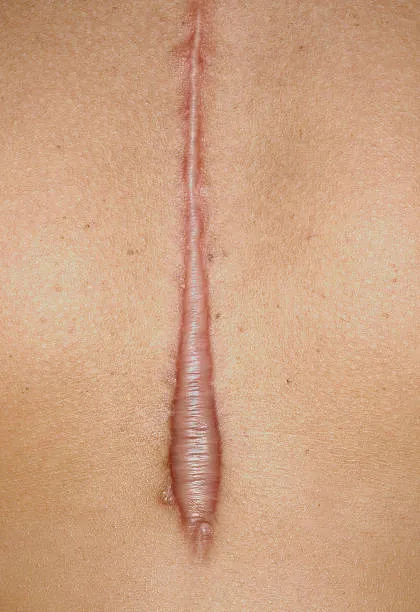
Hypertrophic scars are raised scars that remain confined to the original wound area. Unlike keloids, they may gradually flatten and improve over time.
Common Features of Hypertrophic Scars
  • Raised but limited to the wound margins.
  • Red or pink in early stages.
  • May improve spontaneously over months.
  • Less likely to recur after treatment.

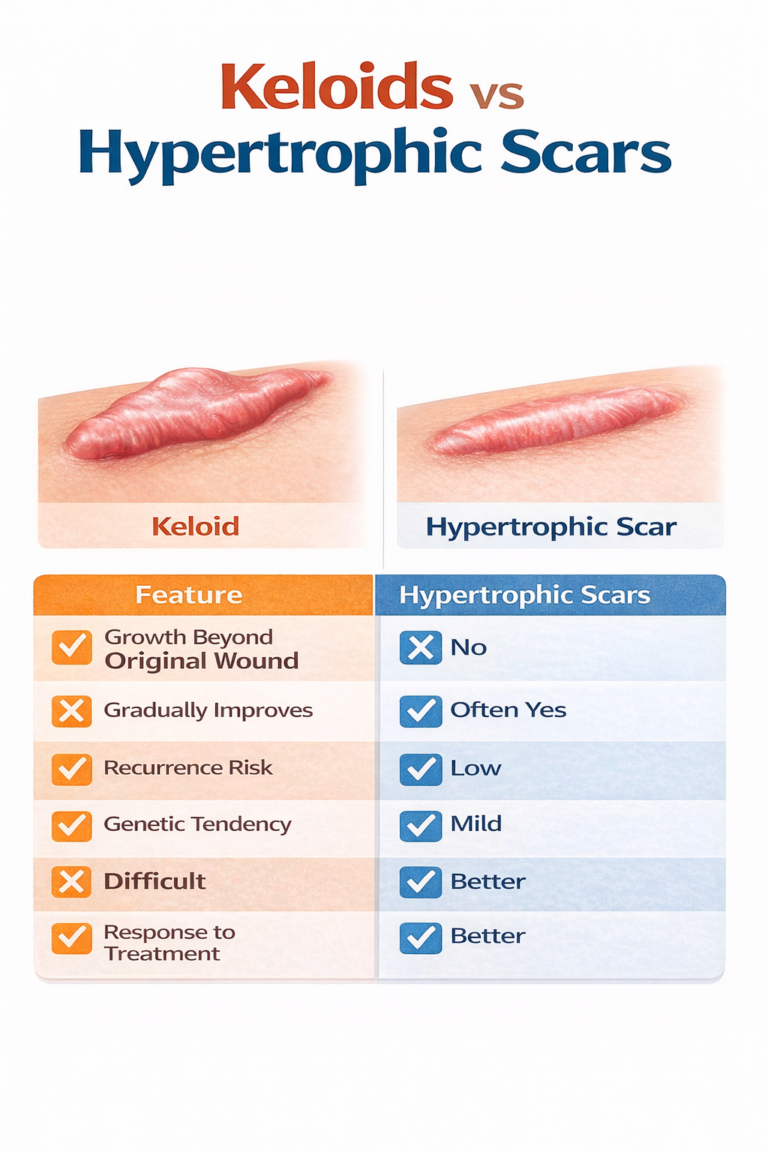
Keloids vs Hypertrophic Scars: Key Differences

Who Is at Risk?

Certain individuals are more prone to abnormal scar formation.

Risk Factors Include
  • Darker skin types (Fitzpatrick IV–VI).
  • Family history of keloids.
  • Adolescents and young adults.
  • Hormonal influence (puberty, pregnancy).
  • Delay in wound healing or infected wounds.

Why Do Keloids and Hypertrophic Scars Form?

These scars result from overactive wound healing, where fibroblasts produce excessive collagen (mainly Type III collagen). Growth factors such as TGF-β (Transforming Growth Factor-Beta) play a key role in this abnormal response.

In keloids, collagen production continues even after wound closure, leading to uncontrolled scar growth.

Treatment Options for Keloids and Hypertrophic Scars:

Management should always be guided by a qualified dermatologist, as no single treatment works for all scars.

1. Intralesional Corticosteroid Injections:
  • First-line treatment for keloids.
  • Reduces inflammation and collagen synthesis.
  • Improves thickness, itching, and pain.
2. Silicone Gel Sheets and Silicone Gel:
  • Useful for early scars and prevention.
  • Improve hydration and scar remodeling.
  • Safe and non-invasive.
3. LASER Treatment:
  • Pulsed Dye LASER (PDL) for redness.
  • Fractional LASERs for texture improvement.
  • Often combined with steroid therapy.
4. Cryotherapy:
  • Freezing the scar tissue using liquid nitrogen.
  • Useful for small keloids.
  • Often combined with steroid injections.
5. Surgical Excision (With Caution):
  • High recurrence if done alone.
  • Must be combined with steroids, radiotherapy / brachytherapy.
6. Pressure Therapy:
  • Commonly used for ear keloids.
  • Works by reducing the blood supply and collagen deposition.
7. Emerging Treatments:
  • Intralesional 5-Fluorouracil (5-FU).
  • Bleomycin injections.
  • Botulinum toxin (select cases).

Can Keloids Be Prevented?

While not always preventable, risk can be reduced.

Prevention Tips:
  • Avoid unnecessary piercings or tattoos.
  • Prompt treatment of acne and skin infections.
  • Proper wound care after surgery or injury.
  • Early silicone gel use in high-risk individuals.
  • Avoid tension on healing wounds.
  • Seek early dermatological advice if thickening begins.

When to See a Dermatologist

You should consult a dermatologist if:

  • A scar is growing beyond the wound.
  • The scar is itchy, painful, or cosmetically concerning.
  • There is a family history of keloids.
  • You are planning surgery and have a history of abnormal scarring.


Early intervention significantly improves treatment success.

References:

  1. Ogawa R. Keloid and hypertrophic scars are the result of chronic inflammation in the reticular dermis.International Journal of Molecular Sciences, 2017.
  2. Berman B, et al. Keloids and hypertrophic scars: Pathophysiology, classification, and treatment. Dermatologic Surgery, 2017.
  3. Atiyeh BS, et al. Pathophysiology of hypertrophic scars and keloids. Annals of Plastic Surgery, 2005.
  4. Gold MH, et al. Updated international clinical recommendations on scar management. Dermatologic Surgery, 2014.
  5. Wolfram D, et al. Hypertrophic scars and keloids – a review of their pathophysiology, risk factors, and therapeutic management. Dermatologic Surgery, 2009.