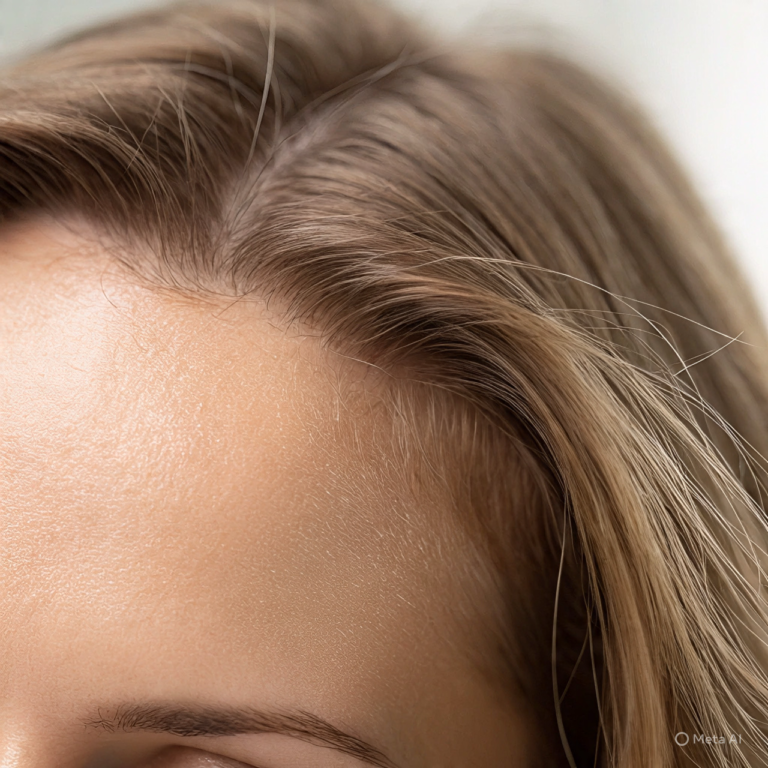
Many people focus entirely on hair products and treatments while overlooking one critical factor—scalp health. The scalp is the environment in which hair follicles grow, and when that environment is unhealthy, hair growth is inevitably affected.
This guide explains how scalp health influences hair growth, common scalp problems that contribute to hair loss, and how maintaining a healthy scalp supports long-term hair density.
Hair follicles are embedded deep within the scalp. When the scalp becomes inflamed, clogged, excessively oily, or overly dry, follicles receive less oxygen and fewer nutrients. Over time, this weakens hair roots and disrupts the natural hair growth cycle.
A healthy scalp supports stronger, thicker hair and improves the effectiveness of any hair growth treatment.
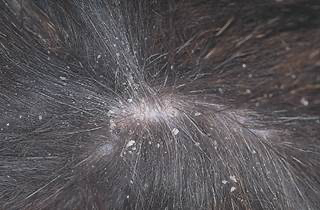
An unhealthy scalp often sends warning signals before noticeable hair loss occurs. Persistent itching, excessive oiliness, dryness, flaking, redness, or irritation are common signs. Increased hair shedding may also accompany these symptoms.
Ignoring scalp issues can allow inflammation or buildup to damage hair follicles gradually.
Dandruff is more than just a cosmetic concern. Chronic flaking and inflammation can irritate hair follicles and increase shedding. Seborrheic dermatitis, a more severe form, can significantly disrupt scalp balance if left untreated.
Excess oil production and product residue can clog hair follicles, reducing oxygen and nutrient delivery. This environment weakens hair roots and may contribute to thinning over time.
A dry scalp lacks adequate moisture, leading to irritation and increased sensitivity. Dryness can worsen hair breakage and shedding, particularly when combined with harsh shampoos or frequent washing.
Fungal or bacterial infections can directly damage hair follicles and cause patchy hair loss. These conditions require proper diagnosis and medical treatment to prevent permanent damage.
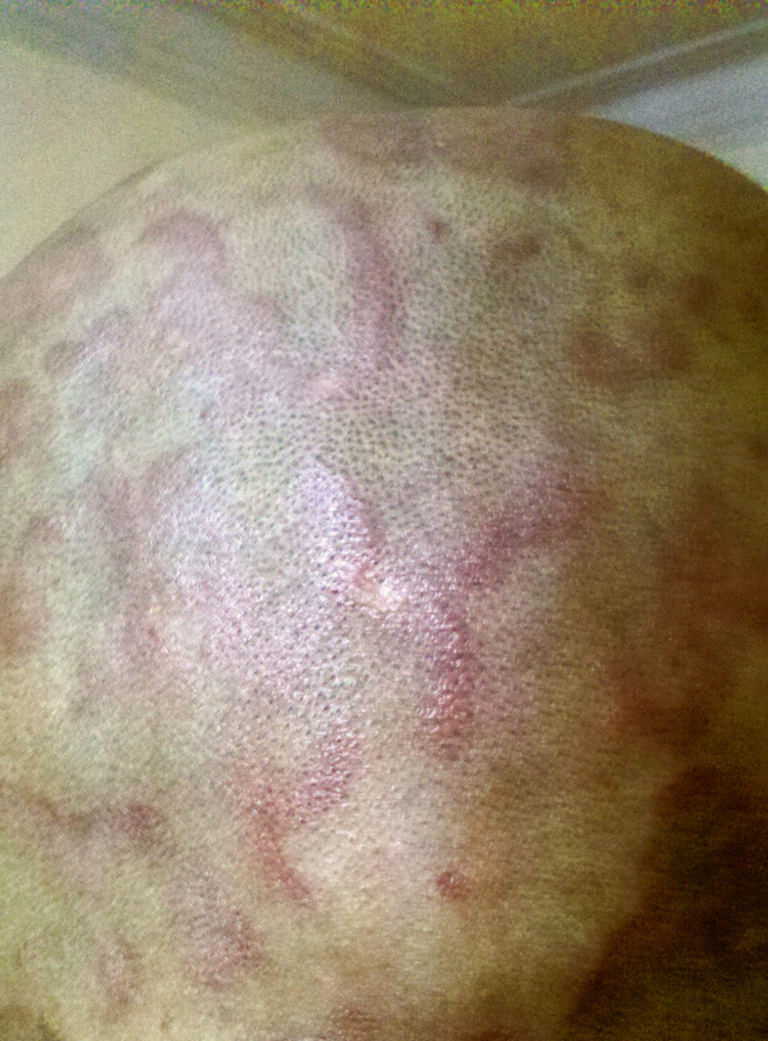
Chronic scalp inflammation shortens the hair growth phase and increases the proportion of hairs entering the shedding phase. Over time, this results in thinner hair, slower regrowth, and reduced hair density.
Maintaining scalp health is therefore essential not only for preventing hair loss but also for supporting regrowth.
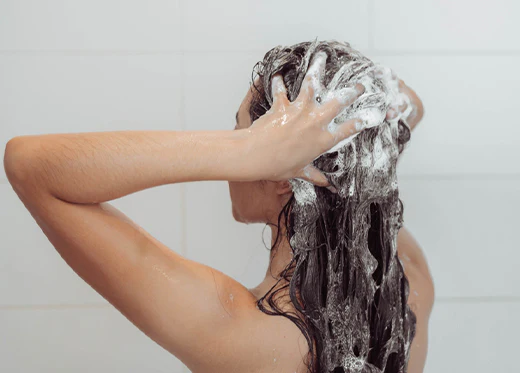
Gentle cleansing with mild shampoos helps maintain scalp balance without stripping natural oils. Avoiding excessive styling products and washing hair according to scalp type also reduces buildup and irritation.
Good nutrition, adequate hydration, and timely treatment of scalp symptoms play a vital role in long-term scalp and hair health.
If scalp symptoms persist despite home care, or if hair fall increases alongside itching, redness, or flaking, professional evaluation is advised. A detailed scalp examination can identify underlying conditions that may not be visible to the naked eye.
Healthy hair cannot exist without a healthy scalp. Addressing scalp issues early creates the right foundation for strong hair growth and improves the success of any hair loss treatment plan.
Consistent scalp care and timely medical guidance can prevent long-term hair thinning and support lasting results.