
Seeing a wart on your child’s hand, foot, or knee can be frustrating—and sometimes worrying. The good news is that warts are very common in children and usually harmless. Still, knowing what causes them, how they spread, and when treatment is helpful can make things much easier for parents.
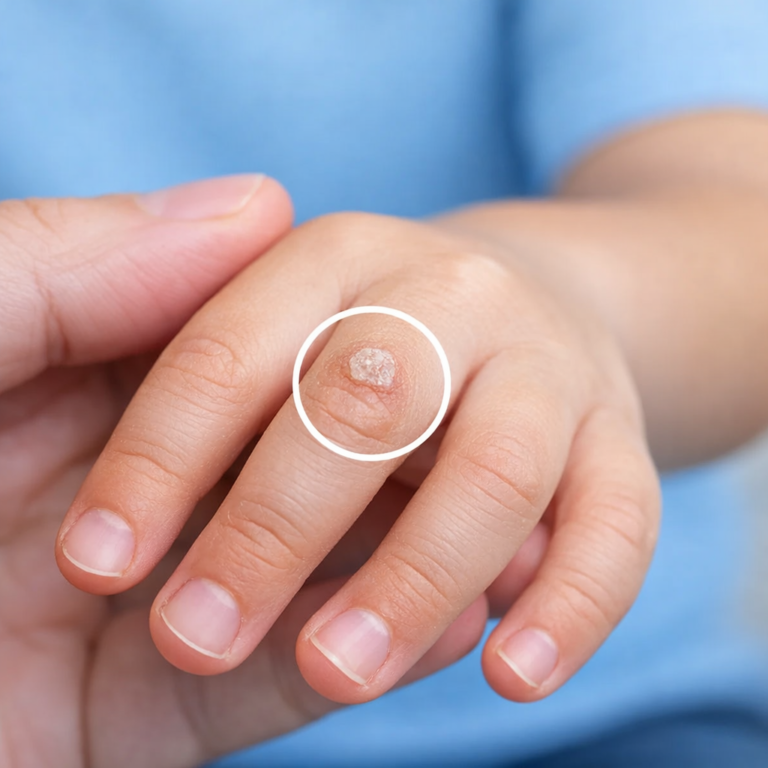
Warts are small skin growths caused by the human papillomavirus (HPV). The virus enters through tiny breaks in the skin and causes extra skin cells to grow. Children are more likely to get warts because:
● Their immune systems are still developing,
● They have close contact with other kids,
● Cuts and scrapes are common.
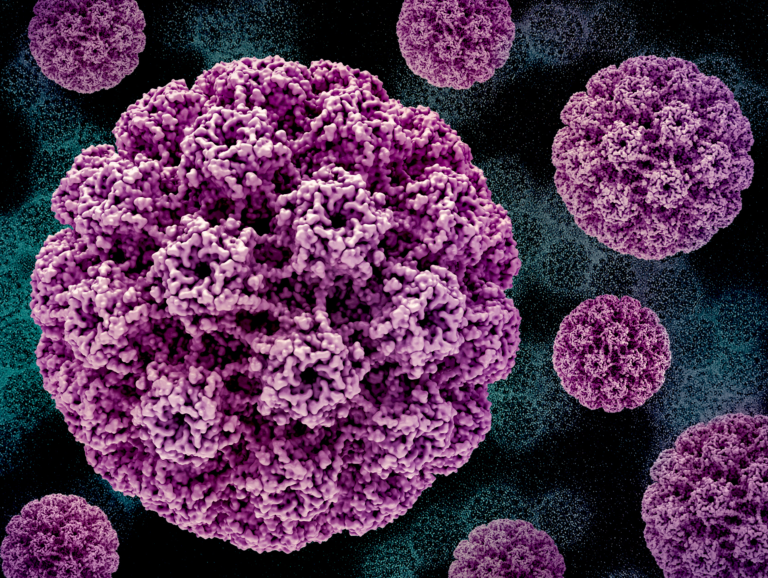
Yes. Warts can spread:
That said, not every child exposed will develop warts—immune response plays a big role.
Often, yes. Many warts disappear within 1–2 years without treatment. However, treatment may be recommended if:
Treatment depends on the child’s age, wart type, and symptoms. Options may include:
Over-the-counter treatments can help some warts, but they should be used cautiously in children and avoided on the face.
Warts are common, manageable, and not a sign of poor hygiene. With the right approach, most children do very well.