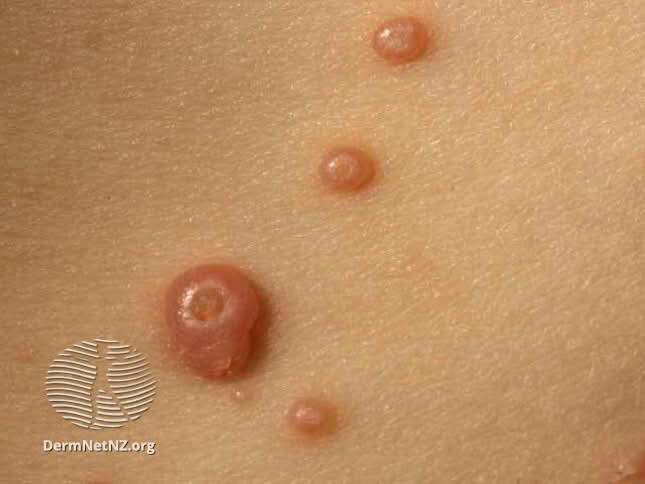
Molluscum contagiosum is one of the most common reasons parents bring children to a us, and also one of the most misunderstood. While the name sounds alarming, molluscum is a harmless viral skin infection that usually resolves on its own.
Molluscum contagiosum is caused by a poxvirus and appears as small, flesh-colored or pink bumps with a tiny dimple in the center.
It’s especially common in:
Molluscum spreads through:
Because of this, bumps may spread across different areas of your child’s body over time.
No. Molluscum is benign and not dangerous, even though it can look concerning. It does not cause internal illness.
However, bumps can:
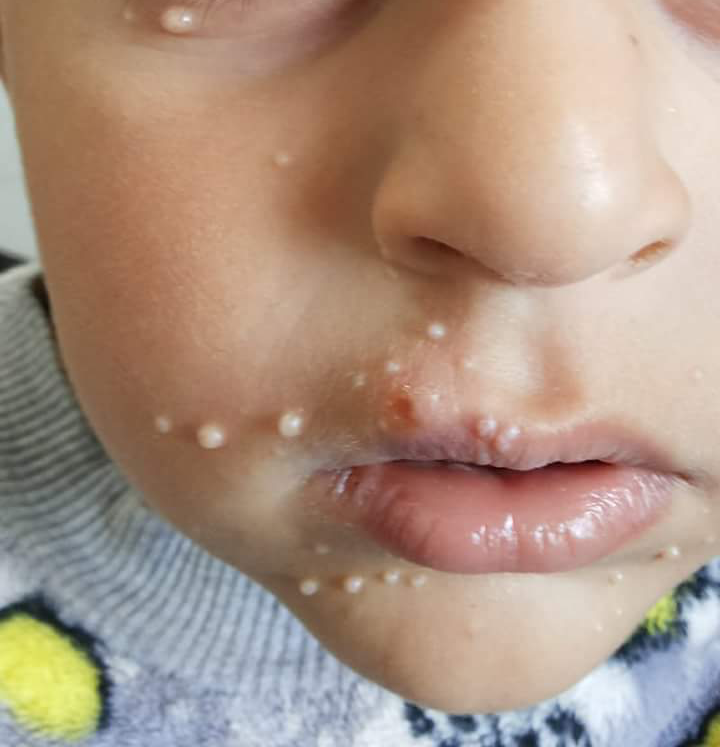
In most children, molluscum clears on its own within 6–18 months, though some cases last longer. The immune system eventually recognizes and clears the virus.
Not always. We usually recommend watchful waiting, especially if:
Treatment may be considered if:
Treatment decisions are individualized and may include:
Yes. Children with molluscum do not need to stay home. Covering bumps during sports or swimming may help reduce spread.
You should schedule a visit if:
Molluscum contagiosum can test a parent’s patience—but it’s common, manageable, and temporary. With reassurance and guidance, most families navigate it smoothly.