Still getting pimples after 25? Learn the causes of adult acne, treatment options, skincare mistakes and how to prevent acne scars with a dermatologist in Puttur.
Many people assume acne should disappear after the teenage years.
But acne can continue into adulthood and some people can develop acne for the first time after the age of 25.
Adult acne can be particularly frustrating because the skin may have been relatively clear for years before breakouts begin. In women, hormonal fluctuations can play an important role, while stress, genetics, skincare products and certain medications can also contribute to adult acne.
The good news is that adult acne can usually be managed with appropriate treatment.
Acne is an inflammatory skin condition involving hair follicles and oil glands.
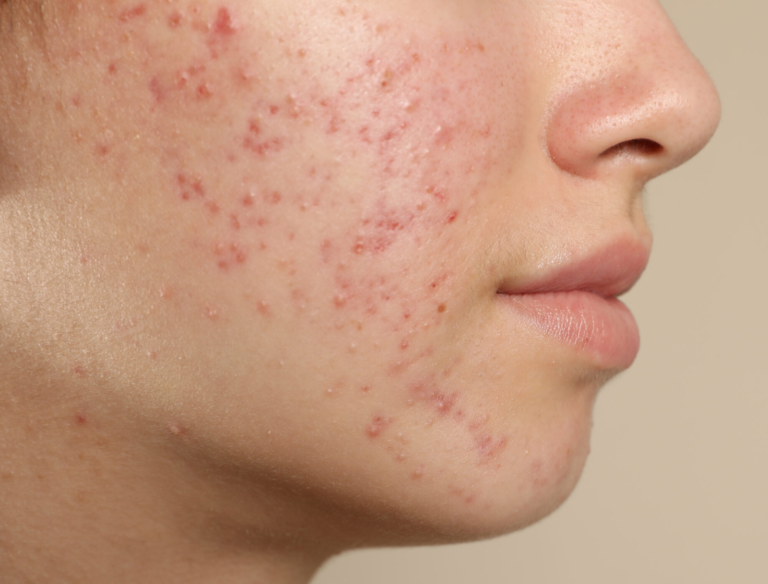
It can produce:
Acne is not contagious.
Different types of acne require different approaches. A person with a few blackheads does not necessarily need the same treatment as someone with painful cysts or nodules.
The American Academy of Dermatology notes that virtually everyone with acne can achieve clearer skin with appropriate treatment and skincare.
Hormonal fluctuations can stimulate oil production and contribute to acne.
Women may notice breakouts around their menstrual cycle or during hormonal transitions such as pregnancy, perimenopause or menopause. Adult acne can also occur after starting or stopping certain hormonal contraceptives.
Hormonal acne often appears around areas such as the jawline and lower face, although acne can occur anywhere.
Stress can influence hormonal pathways and may contribute to acne flare-ups in susceptible people.
If close family members have a history of acne, you may have a higher likelihood of developing it.
Some products can contribute to clogged pores.
For acne-prone skin, look for products labelled:
Some medicines can contribute to acne.
If you think a prescribed medication is making your acne worse, don’t stop it yourself. Speak with the doctor who prescribed it.
Occasionally, acne-like eruptions may be associated with an underlying hormonal or medical condition.
If acne begins suddenly in adulthood or is associated with other symptoms, a dermatologist may recommend further evaluation.
Not always.
The word “hormonal acne” is often used very broadly online.
Hormonal factors can certainly contribute, particularly in adult women, but acne can also involve genetics, oil production, follicular plugging, inflammation, skincare products and other factors.
This is why a dermatologist will assess the complete clinical picture rather than assuming that every adult breakout requires hormonal treatment.
These terms are often confused.
Active acne: These are the pimples, blackheads, whiteheads, nodules and cysts that are currently developing.
Acne marks: After acne heals, brown or red marks may remain. These are not necessarily true scars.
Acne scars: Acne scars involve changes in skin texture or structure. They may appear as:
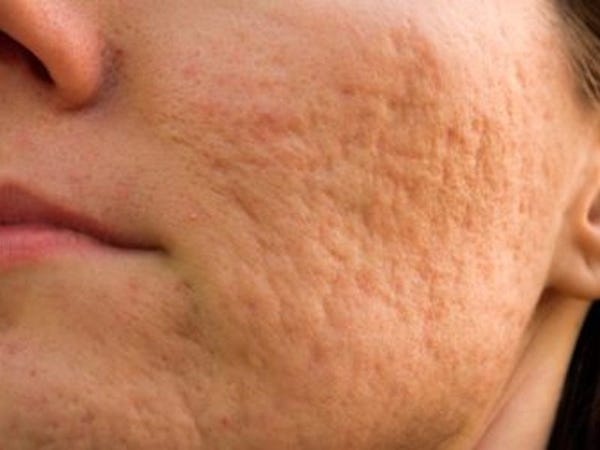
This distinction matters because creams used for active acne are not necessarily sufficient for established textural scars.
Comedonal acne: This includes blackheads and whiteheads caused largely by blocked follicles.
Inflammatory acne: Red, swollen pimples and pustules are signs of inflammation.
Nodular or cystic acne: Deep, painful lesions can increase the risk of scarring and should be evaluated by a dermatologist.
Acne is usually diagnosed clinically.
Your dermatologist may consider:
In some patients, additional investigations may be appropriate.
The goal is not simply to make the pimples disappear temporarily. It is to control active acne, reduce the risk of scarring and create a sustainable maintenance plan.
There is no single best treatment for every patient.
Current acne guidelines support a range of topical and systemic treatments depending on the severity and clinical situation.
Depending on the type of acne, dermatologists may recommend ingredients such as:
The choice depends on your acne, skin tolerance and other factors.
Moderate to severe acne may require oral treatment.
Depending on the patient, dermatologists may consider medicines such as oral antibiotics, hormonal therapies for selected women or isotretinoin for appropriate severe or treatment-resistant acne.
These medicines require medical supervision.
For example, isotretinoin can be highly effective but requires careful consideration of contraindications, adverse effects, pregnancy-related risks and appropriate monitoring.
For selected women with hormonally influenced acne, treatments such as combined oral contraceptives or spironolactone may be considered.
These are not appropriate for everyone.
A dermatologist will consider your medical history and other factors before recommending them.
Chemical peels may be used as part of an acne or pigmentation management plan in selected patients. However, they should not replace appropriate medical treatment for moderate or severe acne.
Once active acne is controlled, selected patients may benefit from procedures aimed at improving acne-scar texture.
Depending on the scar type, options can include procedures such as laser resurfacing, microneedling or other dermatologist-selected techniques.
At Puttur Skin Clinic & Laser centre, currently we use advanced Fractional CO₂ laser technology for concerns including acne scars, post-acne marks and uneven skin texture.
Importantly, acne scar treatment should be customised to the scar type. There is no single laser or procedure that is ideal for every scar.
Persistent untreated acne can progress and become more inflammatory.
Treating acne early can reduce the duration and severity of breakouts and may reduce the risk of scarring.
Picking and squeezing can increase inflammation and potentially worsen the risk of marks and scars.
Particularly painful nodules and cysts should not be drained at home.
Scrubbing harder does not clear acne faster.
Dermatologists generally recommend gentle cleansing and avoiding unnecessary irritation.
Choose moisturisers, sunscreens and makeup labelled non-comedogenic or oil-free where appropriate.
Acne treatment does not usually produce clear skin overnight.
Acne treatments need several weeks to show improvement, with further improvement over subsequent months.
Changing products every few days can irritate the skin and make it difficult to determine whether a treatment is working.
Acne is not caused by “dirty skin.” Aggressive scrubbing can irritate the skin and worsen breakouts.
Squeezing inflammatory acne can increase inflammation and the risk of marks.
A routine containing several acids, scrubs and retinoids may irritate the skin. More products do not necessarily mean better results.
Unsupervised steroid-containing creams can cause significant skin problems, including acne-like eruptions and other changes.
Acne treatment needs time. If there is no improvement after an appropriate period—or if acne is worsening—your dermatologist can modify the treatment plan.
It is better to think in terms of improvement rather than guaranteed complete removal.
The result depends on:
Some scars can improve substantially, while deeper scars may require multiple modalities.
The first step is always controlling active acne.
We at Puttur Skin Clinic provide dermatological care for acne and acne scarring. Dr. Sachin M. Shetty’s clinical practice includes acne and acne scarring and that the clinic has dermatological technologies including chemical peels and most advanced laser systems.
Adult acne can be associated with hormonal fluctuations, genetics, stress, skincare products, medications and sometimes underlying medical conditions.
Hormonal factors can contribute, particularly in some women, but adult acne is not always caused by hormones.
The best treatment depends on the type and severity of acne. Dermatologists may use topical medicines, oral medicines, hormonal treatment for selected patients and other approaches.
It is better not to squeeze or pop inflammatory pimples because this can increase irritation and potentially contribute to marks or scarring.
Treat active acne early, avoid picking, use appropriate skincare and seek dermatological treatment if you have deep or persistent acne.
Marks are usually changes in skin colour left after inflammation. True scars involve changes in skin texture or structure.
Chemical peels can be useful for selected patients, but they should be chosen according to the acne type and skin characteristics.
Certain laser treatments can improve the appearance of selected acne scars. Puttur Skin Clinic offers Fractional CO₂ laser treatment for concerns including acne scars and uneven texture.
Some improvement may appear within several weeks, but clearer skin often takes longer. Severe acne and acne scars may require a longer treatment plan.
This article is intended for general educational purposes and does not replace a consultation with a qualified dermatologist. Acne treatment must be individualised according to the severity, type of acne, medical history, medications and other relevant factors. Prescription medicines and procedures should only be used under appropriate medical supervision.
You don’t have to keep experimenting with different creams every time a new breakout appears.
If persistent acne, acne marks or acne scars are affecting your confidence, book a consultation at Puttur Skin Clinic in Bolwar, Puttur, for an individualised dermatology assessment and treatment plan.