
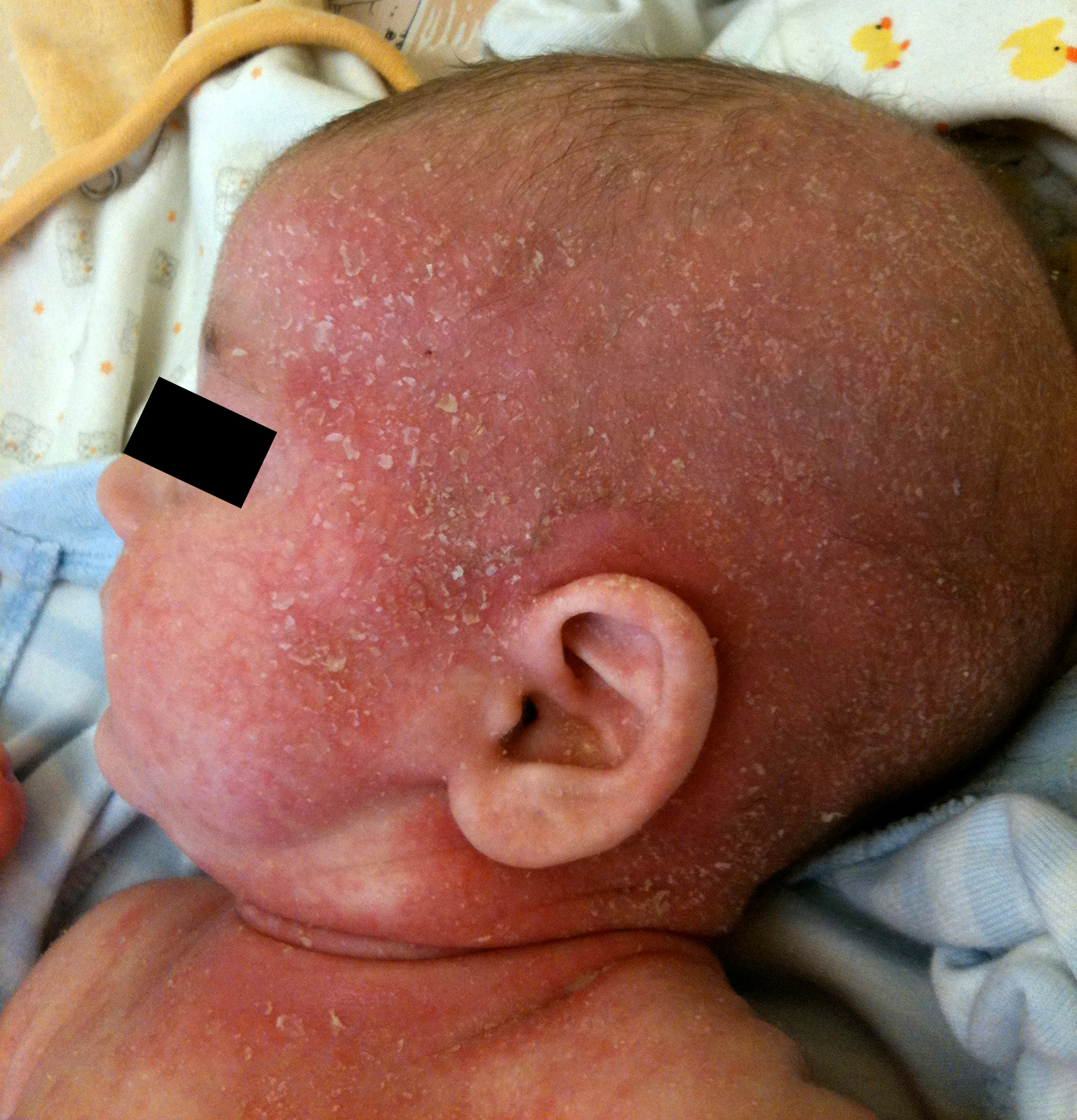
What Is Atopic Dermatitis?
Atopic dermatitis, also known as atopic eczema, is a long-term skin condition that causes dryness, itching, and redness. It’s a not contagious skin condition, meaning you can’t get it from another person.
This condition is very common, especially among infants and young children, but adults can have it too. People with atopic dermatitis often have a weakened skin barrier, which lets moisture escape and allows irritants or allergens to enter, leading to itchy and inflamed skin.
Learn more from the American Academy of Dermatology (AAD) about how atopic dermatitis affects the skin.
Common Causes and Triggers:
While the exact cause isn’t known, atopic dermatitis usually results from a combination of genetic factors, immune system issues, and environmental triggers.
Common triggers include:
- Cold, dry weather.
- Soaps, detergents, or fragrances.
- Pet dander, dust mites, or pollen.
- Rough fabrics like wool.
- Sweating or overheating.
- Stress or emotional tension.
- Certain foods (especially in children).
Understanding and avoiding your personal triggers is one of the best ways to prevent eczema flare-ups.
Visit the National Eczema Association for detailed information on common eczema triggers and prevention tips.
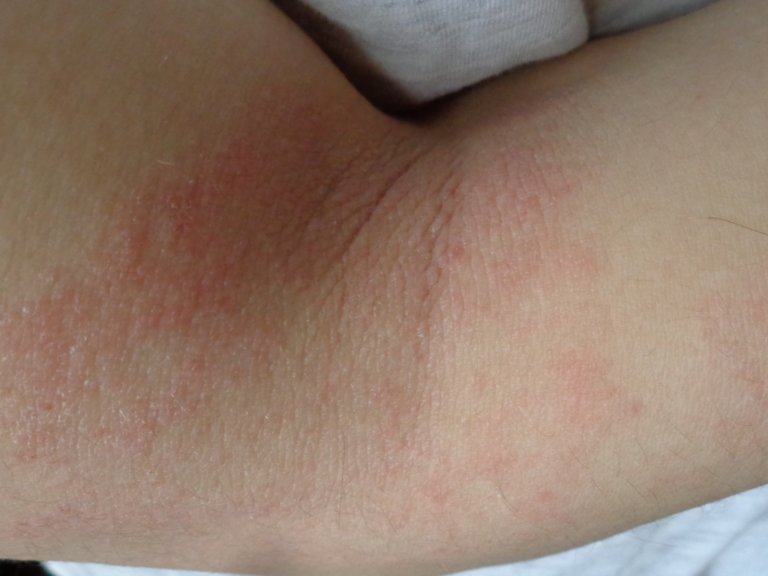
Symptoms of Atopic Dermatitis
Symptoms vary from person to person, but common signs include:
Dry, flaky, or rough skin.
Itchy patches, especially at night.
Red or dark spots on the face, hands, elbows, or knees.
Thickened skin due to scratching.
Cracked or oozing areas in severe cases.
Flare-ups may come and go, sometimes skin looks normal, and then suddenly becomes itchy or inflamed again.
The NHS (UK National Health Service) provides a clear overview of eczema symptoms and how to manage them.
Treatment and Skin Care Tips
Although there is no permanent cure, atopic dermatitis can be managed effectively with the right care, medications, and lifestyle changes.
Moisturize Regularly,
Use fragrance-free creams or ointments.
Apply twice daily, especially after bathing.
Choose products labeled for sensitive or eczema-prone skin.
Gentle Bathing Habits,
Take short, lukewarm baths (avoid hot water).
Use mild, soap-free cleansers.
Pat dry instead of rubbing your skin with a towel.
Medical Treatments,
Stay in the shade or plan outdoor activities in early morning or late afternoon
Use a Vitamin D Supplement Instead of Tanning
Your Dermatologist may prescribe topical corticosteroid creams to reduce inflammation. (These are very effective in acute conditions, but must be tapered and stopped as advised by your Dermatologist).
Antihistamines may help control itching.
In severe cases, oral or injectable medications that calm the immune system may be needed.
Always use medications under a Dermatologist’s supervision.
- Read about treatment options from Mayo Clinic: Atopic Dermatitis (Eczema).
Avoid Triggers
Keep your living space dust-free.
Avoid wool or synthetic fabrics.
Wear soft cotton clothing.
Manage your diet and stress levels.
Use a Vitamin D Supplement Instead of Tanning
Stress can worsen eczema. Try relaxation exercises, yoga, or deep breathing.
When to See a Dermatologist?
See a dermatologist if:
Your eczema doesn’t improve with home care.
You notice infection signs (such as pus or yellow crusts).
The itching disturbs your sleep.
You have frequent or severe flare-ups.
Getting professional help early can prevent your skin from worsening and help you find the right treatment plan.
Living With Atopic Dermatitis
Atopic dermatitis can be frustrating, but with proper care and lifestyle changes, most people can control their symptoms and live comfortably.
Focus on:
Gentle daily skincare.
Avoiding known triggers.
Regular moisturizing.
Following your doctor’s advice.
For patient stories and support communities, visit the National Eczema Association Support Network.
Final Thoughts,
Atopic dermatitis is a manageable skin condition that responds well to consistent care.
By keeping your skin hydrated, avoiding irritants, and managing stress, you can greatly reduce flare-ups and enjoy healthier skin.
If your eczema is affecting your daily life, don’t hesitate to seek help from a qualified dermatologist.