Our Blogs Posts

Take a look at the most recent hospital news

Explore our blog for the latest medical knowledge, patient stories, and tips to lead a healthier life.

What Causes Hair Loss?

Hair loss is a concern that affects millions of men and women worldwide. While some degree of hair fall is completely normal, ongoing thinning or sudden excessive shedding often signals an underlying problem. Understanding what causes hair loss is the first and most important step toward managing it effectively.

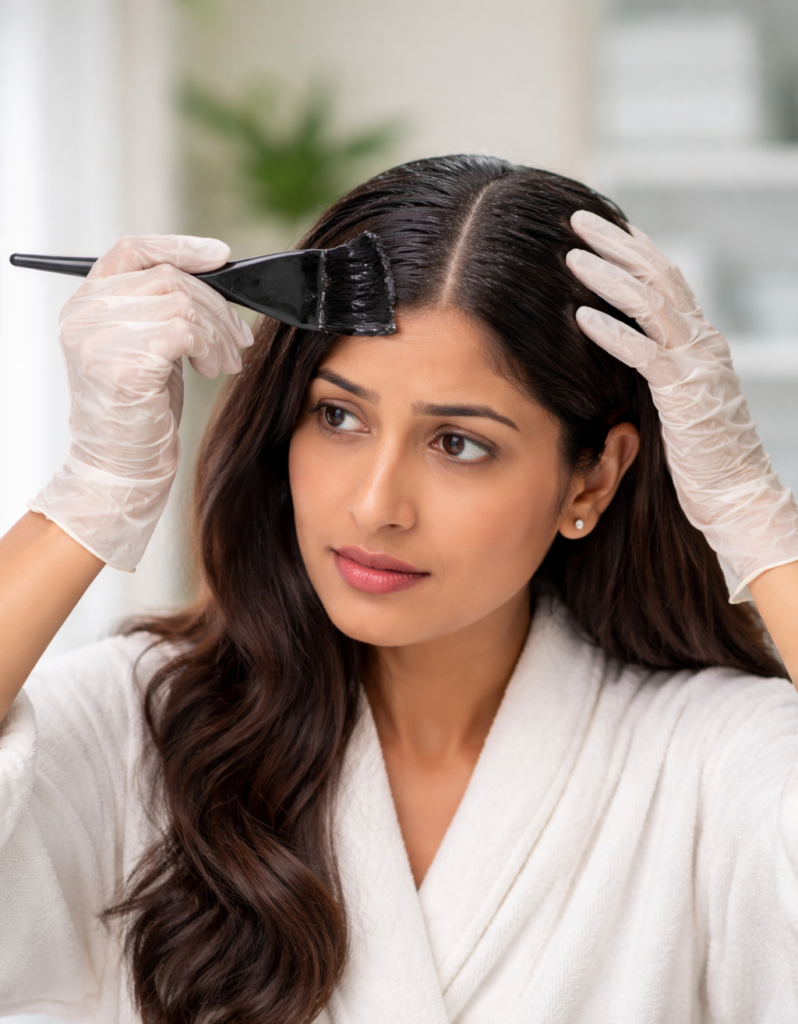
How to Use Minoxidil Properly

Minoxidil is one of the most researched and effective treatments for hair loss—but only when used correctly and consistently. Many people apply it incorrectly, stop during the shedding phase, or mix it with products that reduce absorption, which leads to poor results.

How Scalp Health Affects Hair Growth

Many people focus entirely on hair products and treatments while overlooking one critical factor—scalp health. The scalp is the environment in which hair follicles grow, and when that environment is unhealthy, hair growth is inevitably affected.

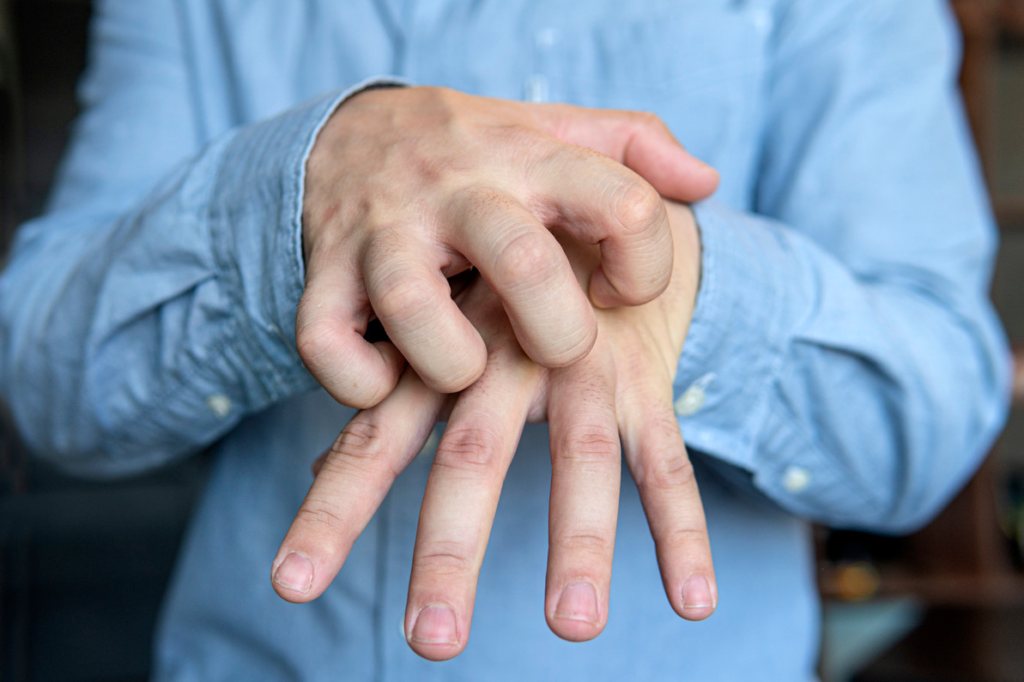
Urticaria and Angioedema

Urticaria and angioedema are common allergic skin conditions that can significantly affect quality of life. While they are often seen together, they involve different layers of the skin and present with distinct symptoms. Early recognition and appropriate treatment under the guidance of a dermatologist or allergy specialist are essential for effective control.

Keloids and Hypertrophic Scars: Causes, Differences, Prevention, and Treatment Options.

Scarring is a natural part of the skin’s healing process. However, in some individuals, scars can become raised, thick, itchy, or cosmetically distressing. Two such abnormal scars are keloids and hypertrophic scars. These conditions are common in darker skin types, including Indian skin, and often require expert dermatological care for optimal management.

Comprehensive Guide to Anti-Aging Treatments for the Face.

Facial aging is a gradual and multifactorial process influenced by intrinsic factors such as genetics and hormonal changes, as well as extrinsic factors including ultraviolet exposure, pollution, lifestyle habits, and stress.