
Diet plays a major role in how the body manages inflammation, and for many people with psoriasis, specific foods can make symptoms better—or much worse. While psoriasis is an immune-mediated condition, research shows that diet influences inflammatory pathways, gut health, metabolic balance, and overall skin function. Understanding which foods trigger psoriasis flare-ups and which foods reduce inflammation can help you manage symptoms more effectively.
How Diet Influences Psoriasis Inflammation
Psoriasis is driven by chronic immune activation involving cytokines such as TNF-α, IL-17, and IL-23. Certain foods can intensify these inflammatory pathways, while others calm them. A psoriasis-friendly diet focuses on stabilizing blood sugar, reducing oxidative stress, supporting gut microbiome balance, and maintaining a healthy weight—all factors known to influence psoriasis severity and flare frequency.
Foods That May Trigger Psoriasis Flare-Ups:
1. Processed Meats and Red Meat.
High-fat and processed meats are among the most commonly reported psoriasis triggers. They contain saturated fats and inflammatory compounds that worsen skin inflammation.
Can increase inflammatory cytokines.
Associated with more severe psoriasis plaques.
May worsen metabolic syndrome, which is linked to psoriasis.
Examples: Red meat, beef, lamb, mutton etc.
2. Sugar and High-Glycemic Foods.
Sugary foods spike insulin levels, driving inflammation that can worsen psoriasis. They can,
Increase IL-6 and TNF-α,
Promote weight gain, which is a major psoriasis risk factor,
Associated with more frequent flare-ups.
Avoid: Sugar in any form, sweetened beverages like coffee/tea, cakes & pastries, carbonated soft drinks, chocolates & candy, white bread, sugary cereals etc.
3. Alcohol.
Alcohol is one of the strongest dietary triggers for psoriasis.
- Weakens gut barrier → more systemic inflammation,
Triggers cytokine production,
Interacts negatively with some psoriasis medications.
Even moderate drinking may cause flare-ups in sensitive individuals.
4. Dairy Products.
Dairy, especially whole-fat dairy, may worsen psoriasis symptoms.
Milk proteins can trigger immune reactions,
Saturated fats may increase inflammation.
Some people tolerate low-fat or fermented dairy better.
5. Nightshade Vegetables.
For some patients with chronic inflammation, nightshades may aggravate symptoms.
They contain solanine, which may increase inflammation.
Common triggers: tomatoes, potatoes, eggplant, peppers etc.
Elimination for 2–4 weeks can help identify sensitivity.
6. Gluten (in gluten-sensitive individuals).
Patients with psoriasis are more likely to have gluten sensitivity.
Gluten can increase intestinal inflammation,
Removing gluten helps only if sensitivity exists.
Foods That Support Clearer Skin and Reduce Psoriasis Inflammation
1. Omega-3 rich, anti-inflammatory Foods.
Omega-3 fatty acids are among the best nutrients for psoriasis.
Reduce inflammatory cytokines,
Improve plaque severity,
Support heart and metabolic health.
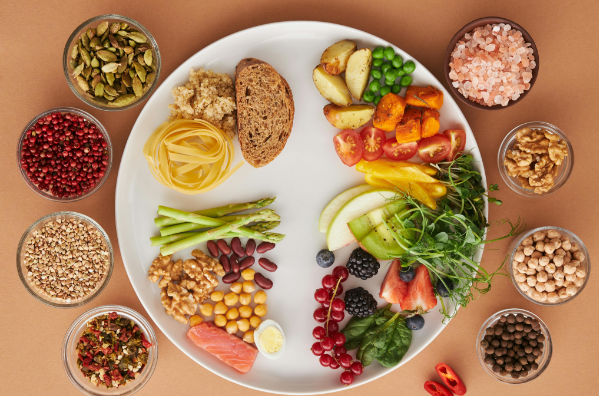
Eat more: Fish (sardines, mackerel), chia seeds, flaxseeds, walnuts.
2. Colorful Fruits and Vegetables.
Antioxidant-rich foods is essential for a psoriasis diet.
Supports gut and immune health,
Reduces oxidative stress,
Improves skin barrier function,
Best choices include berries, leafy greens, broccoli, citrus fruits, pumpkin, and carrots.
3. Whole Grains.
Whole grains help stabilize blood sugar and reduce psoriasis-related inflammation.
Support metabolic health,
Improve digestion,
Lower inflammatory markers.
Examples: Par-boiled / brown rice, oats, ragi, barley etc.
4. Anti-Inflammatory Herbs and Spices.
Many herbs and spices have clinically proven anti-inflammatory effects.
Turmeric (curcumin) reduces IL-17 and TNF-α,
Ginger supports digestion and lowers inflammation,
Garlic improves immune regulation.
Integrating spices, in moderation, into meals is a simple way to support skin health.
5. Probiotic and Fermented Foods.
Healthy gut bacteria play a major role in psoriasis management.
Improve gut barrier integrity,
Reduce systemic inflammation,
Regulate immune response.
Good choices: Curds & yogurt, buttermilk etc
6. Lean Protein Sources.
Lean protein helps maintain stable blood sugar and supports healthy weight.
Reduces metabolic stress,
Supports tissue repair,
Balances inflammatory pathways.
Options include fish, skinless poultry, soya, lentils, and beans.
7. Healthy Anti-Inflammatory Fats.
Psoriasis diets benefit from replacing saturated fats with healthier fats.
Olive oil reduces oxidative stress,
Nuts and seeds provide anti-inflammatory compounds.
These foods align with the Mediterranean diet, which is often recommended for psoriasis.
References
Gupta R. et al. Journal of the American Academy of Dermatology (2014).
Barrea L. et al. Nutrients (2015).
Upala S. et al. International Journal of Dermatology (2017).
Ford A.R. et al. Journal of the American Academy of Dermatology (2018).
Kim H. et al. Nutrition Reviews (2020).
Aleshin M. et al. American Journal of Clinical Dermatology (2019).
Egeberg A. et al. Clinical Epidemiology (2018).