
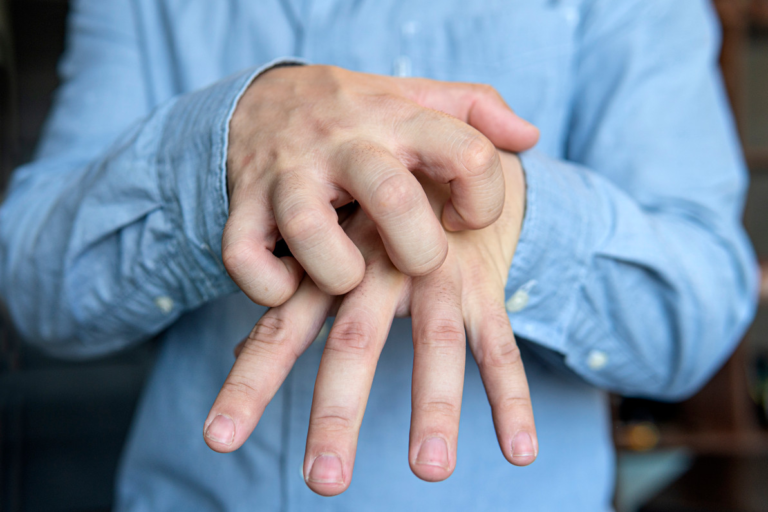
Scabies is a contagious skin infection caused by microscopic mites called Sarcoptes scabiei. These mites burrow into the skin and cause intense itching and rash. Scabies spreads easily through direct skin-to-skin contact, making it common among family members, school children, and crowded environments.
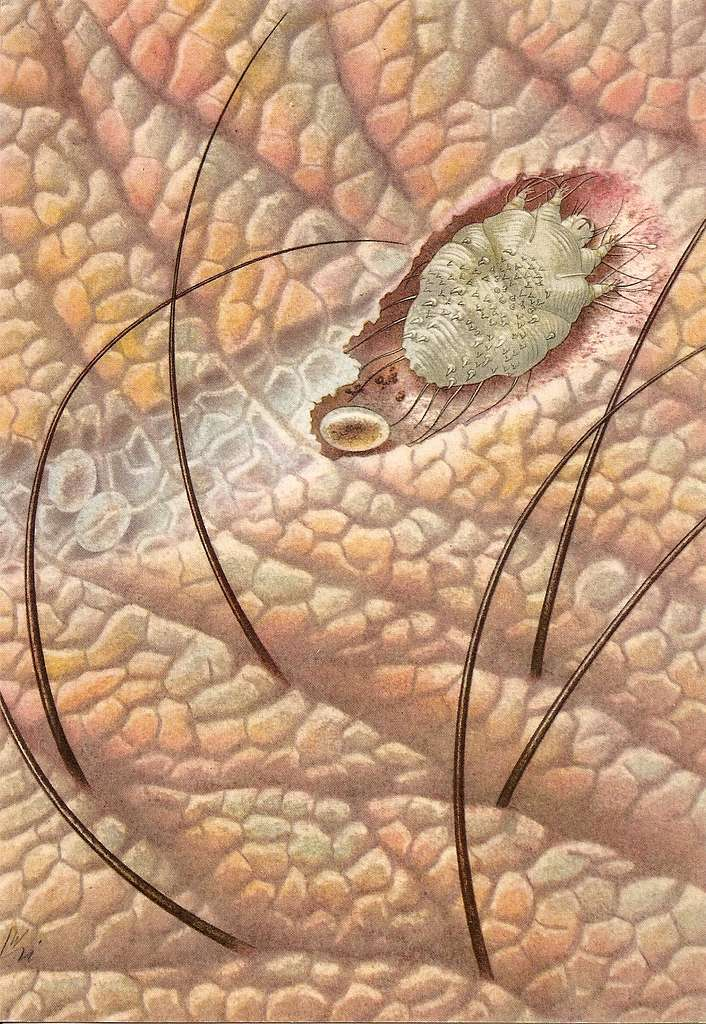
Early diagnosis and proper scabies treatment from a qualified dermatologist can prevent complications and stop the spread.
Common causes and risk factors include:
Close physical contact with an infected person,
Sharing clothes, towels, or bedding,
Living in crowded conditions (hostels / prison),
Poor hygiene environments,
Weakened immune system.
Scabies is not caused by poor cleanliness alone. Anyone can get scabies regardless of hygiene.
Scabies symptoms usually appear 2–6 weeks after infestation. Common signs include:
Severe itching is the most common symptom and worsens during nighttime.
Small red bumps, blisters, or pimple-like lesions may appear.
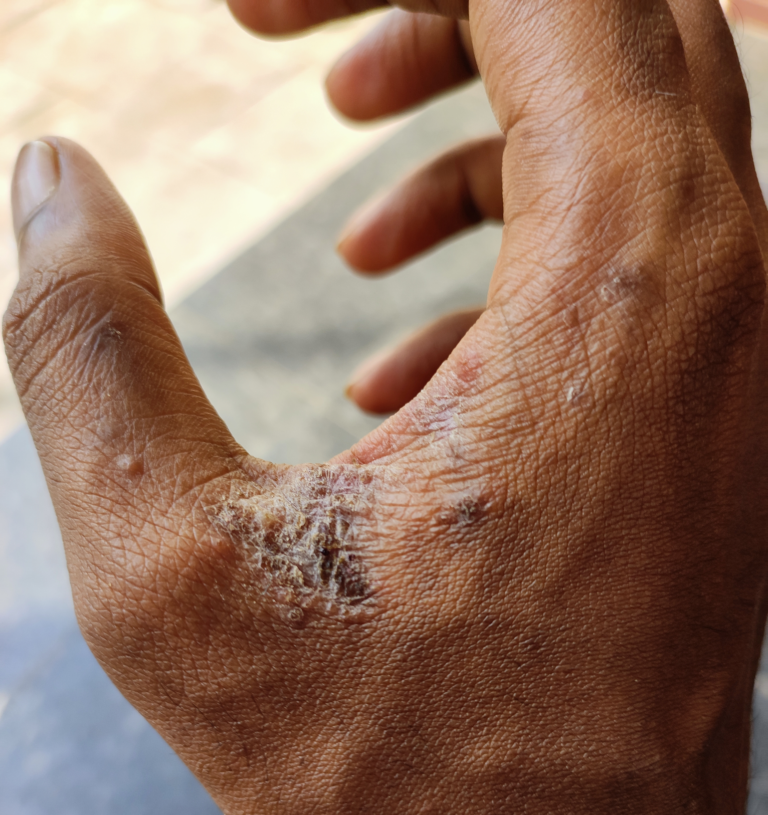
Thin, wavy, thread-like lines on the skin indicate mite burrows.
Scabies often affects:
Fingers and finger webs, wrist, elbows, armpits, waist, buttocks, genital area & around breasts.
In children, scabies can also affect the face, scalp, palms, and soles.
Scabies is treatable, but if left untreated, it can lead to complications such as:
Secondary bacterial infection,
Severe skin inflammation,
Crusting scabies (severe form in immunocompromised patients),
Sleep disturbance due to itching.
Early scabies treatment helps prevent these complications.
A dermatologist may recommend the following treatments:
These include prescription anti-scabies medications applied to the entire body.
In severe or resistant cases, oral treatment may be prescribed.
All close contacts should be treated simultaneously to prevent reinfection.
Anti-itch creams and antihistamines may help relieve symptoms.
Prevention plays a key role in controlling scabies spread:
Avoid direct contact with infected individuals.
Do not share clothes, bedding, or towels.
Wash clothes and bedding in hot water.
Maintain personal hygiene.
Seek early treatment from a dermatology clinic.
Consult a dermatologist if you experience:
Severe itching, especially at night,
Persistent skin rash,
Symptoms not improving with home remedies,
Family members having similar symptoms,
Early diagnosis ensures faster recovery.
Scabies is a common but treatable skin infection. Recognizing scabies symptoms early and getting proper scabies treatment from a qualified dermatologist can prevent complications and spread. If you suspect scabies, consult a dermatology clinic for accurate diagnosis and effective treatment.