
What Is Skin Tanning and Why Does It Happen?
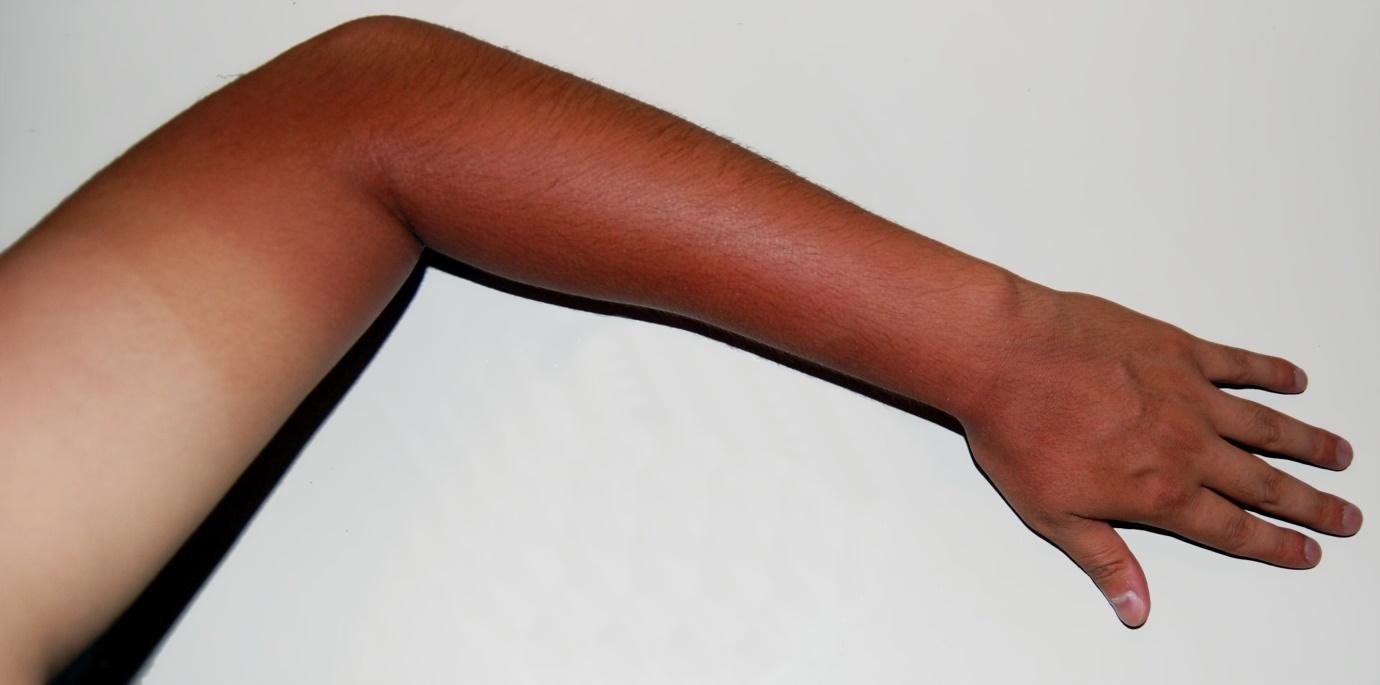
Skin tanning is the process by which your skin darkens after exposure to UV rays — either from the sun or artificial source of UV light. When UV rays penetrate the skin, they stimulate melanocytes, the pigment-producing cells, to increase melanin. This pigment acts as a natural shield to protect deeper layers of your skin from sun damage.
There are two types of tanning:
-
Immediate tanning (UVA rays): Happens within minutes and causes temporary darkening by oxidizing existing melanin.
-
Delayed tanning (UVB rays): Develops over 2–3 days due to increased melanin production.
What Causes Skin Tanning?
Skin tanning is primarily caused by exposure to ultraviolet radiation. Major contributors include:
1. Sun Exposure
-
Prolonged time outdoors, especially between 10 AM to 4 PM, when UV rays are strongest, leads to tanning and sunburn.
2. Tanning Beds and Lamps
-
Artificial tanning devices emit UVA and UVB radiation, often at higher concentrations than natural sunlight, increasing your risk of premature aging and melanoma.
3. Lack of Sun Protection
-
Not wearing SPF allows UV radiation to penetrate unprotected skin, accelerating melanin production and increasing pigmentation.
4. Environmental Factors
-
Living in high-altitude or tropical regions with intense sunlight can increase tanning risk due to stronger UV exposure.
How to Prevent Skin Tanning: Smart Sun Habits
Tanning is preventable with proper care. Here’s how to protect your skin daily:
Use a Broad-Spectrum Sunscreen
-
Choose SPF 30 or higher with both UVA & UVB protection
-
Reapply every 2 hours, especially after swimming or sweating
Wear Protective Clothing
-
Long sleeves, wide-brimmed hats, and sunglasses provide physical sun barriers
-
Consider UV-protective fabrics when outdoors
Avoid Peak UV Hours (10 AM – 4 PM)
-
Stay in the shade or plan outdoor activities in early morning or late afternoon
Use a Vitamin D Supplement Instead of Tanning
-
You don’t need a tan to get your vitamin D — supplements or fortified foods are safer
How to Remove Tan from Skin?
If you’ve developed a tan and want to lighten your skin tone, there are safe and effective treatments available, consult your dermatologist starting anything new.
Topical Creams & Serums
-
Vitamin C: Brightens skin and inhibits melanin production.
-
Niacinamide: Helps reduce pigmentation and improves barrier function.
-
Kojic Acid & Alpha Arbutin: Inhibit melanin synthesis for a more even skin tone.
Exfoliating Treatments
-
Chemical peels (glycolic, lactic acid): Gently remove dead skin and reduce pigmentation.
Laser Therapy
-
Fractional Laser or Q-switched Laser can help reduce deeper pigmentation and stimulate collagen
Best Practices to Reverse Tan & Restore Radiance
-
Follow a consistent morning and evening skincare routine
-
Focus on hydration, antioxidants, and sun protection
-
Avoid harsh DIY remedies like baking soda or undiluted lemon juice, which can damage skin
Choose Glow Over Tan.
While a tan might offer temporary appeal, the long-term risks far outweigh the benefits. Whether you’re looking to prevent sun damage, reverse a tan, or maintain your natural skin tone, the best approach is to protect, hydrate, and treat your skin gently.
By adopting sun-safe habits and using effective skincare solutions, you’ll keep your skin healthy, radiant, and youthful — without the risk.