Hair loss is a concern that affects millions of men and women worldwide. While some degree of hair fall is completely normal, ongoing thinning or sudden excessive shedding often signals an underlying problem. Understanding what causes hair loss is the first and most important step toward managing it effectively.
This guide explains the most common causes of hair loss, how they affect the hair growth cycle, and when professional evaluation becomes necessary.
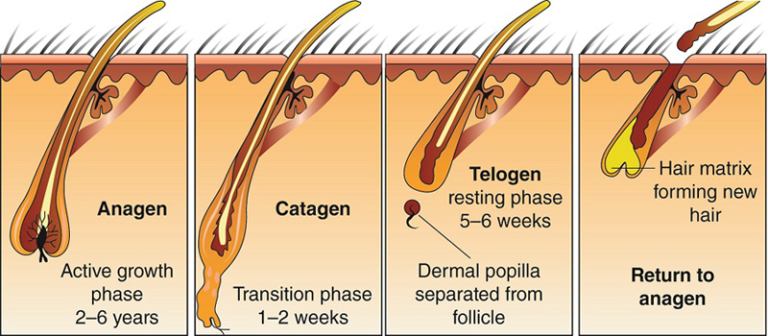
Yes—hair loss can be normal. On average, a person sheds between 50 and 100 hairs per day as part of the natural hair growth cycle. These hairs are usually replaced by new growth without any noticeable change in hair density.
Hair loss becomes a concern when shedding increases significantly, hair fails to regrow, or visible thinning continues for several months. In such cases, the cause is often more than just normal shedding.
Genetic hair loss is the most common cause of long-term hair thinning. In men, it usually appears as a receding hairline or thinning at the crown (Androgentic Alopecia/AGA). In women, it often presents as a widening part or reduced hair density over the top of the scalp (Female pattern hair loss/FPHL).
This type of hair loss is progressive, meaning it worsens over time. However, early identification allows better control and preservation of existing hair.
Hormones play a critical role in regulating the hair growth cycle. When hormonal balance is disrupted, hair follicles may enter the resting phase prematurely, leading to increased shedding.
Conditions such as thyroid disorders, polycystic ovary syndrome (PCOS), postpartum changes, and menopause are commonly linked to hormonal hair loss. This type of hair thinning is usually diffuse rather than patchy and often improves once the underlying imbalance is addressed.
Physical or emotional stress can have a direct impact on hair growth. Events such as illness, surgery, rapid weight loss, or prolonged psychological stress can push a large number of hair follicles into the shedding phase at the same time. This condition is known as telogen effluvium.
Although alarming, stress-related hair loss is usually temporary. Hair growth often resumes once the body recovers and stress levels stabilize.
Hair follicles are among the most metabolically active structures in the body, which makes them highly sensitive to nutritional deficiencies. Inadequate intake of protein, iron, vitamin D, vitamin B12, or zinc can weaken hair roots and increase shedding.
Poor dietary habits, restrictive diets, and digestive disorders are common contributors. Correcting nutritional deficiencies often leads to noticeable improvement in hair health.
A healthy scalp provides the foundation for healthy hair growth. Conditions such as dandruff, seborrheic dermatitis, fungal infections, or chronic scalp inflammation can disrupt the hair growth cycle.
Symptoms may include itching, flaking, redness, or excessive oiliness. When left untreated, these conditions can contribute to increased hair fall and thinning.
Certain medical conditions can directly affect hair growth. Autoimmune disorders, anemia, diabetes, and chronic illnesses are frequently associated with hair loss. Additionally, some medications—such as chemotherapy drugs, antidepressants, and blood pressure medications—can trigger excessive shedding.
Identifying these causes early through medical evaluation is essential for proper management.
Repeated physical or chemical damage weakens the hair shaft over time. Excessive heat styling, tight hairstyles, harsh chemical treatments, hair colouring, and aggressive grooming can lead to hair breakage that is often mistaken for hair loss.
While this does not affect hair follicles directly, it can significantly reduce hair density and overall hair quality.
Identifying these causes early through medical evaluation is essential for proper management.
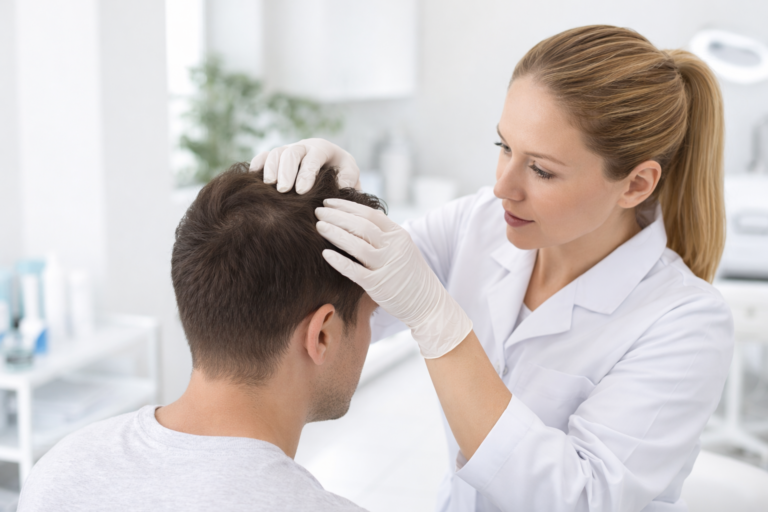
If hair loss persists for more than three months, worsens rapidly, or is accompanied by scalp symptoms or bald patches, professional evaluation is recommended. Early diagnosis improves treatment outcomes and helps prevent irreversible thinning.
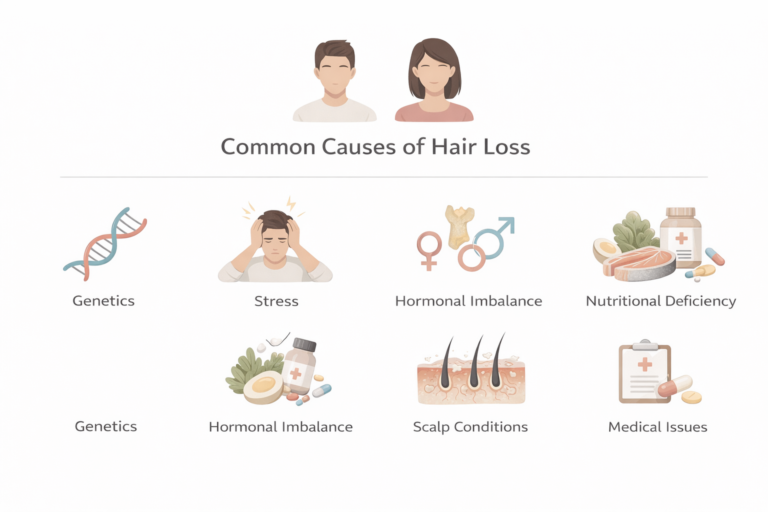
Hair loss rarely has a single cause. Genetics, hormones, nutrition, stress, scalp health, and medical conditions often overlap. Identifying the root cause allows for a targeted and effective approach rather than relying on trial and error.
A personalized assessment can help determine whether hair loss is temporary, progressive, or reversible—and guide the next steps accordingly.