
What Is Skin Tanning and Why Does It Happen?
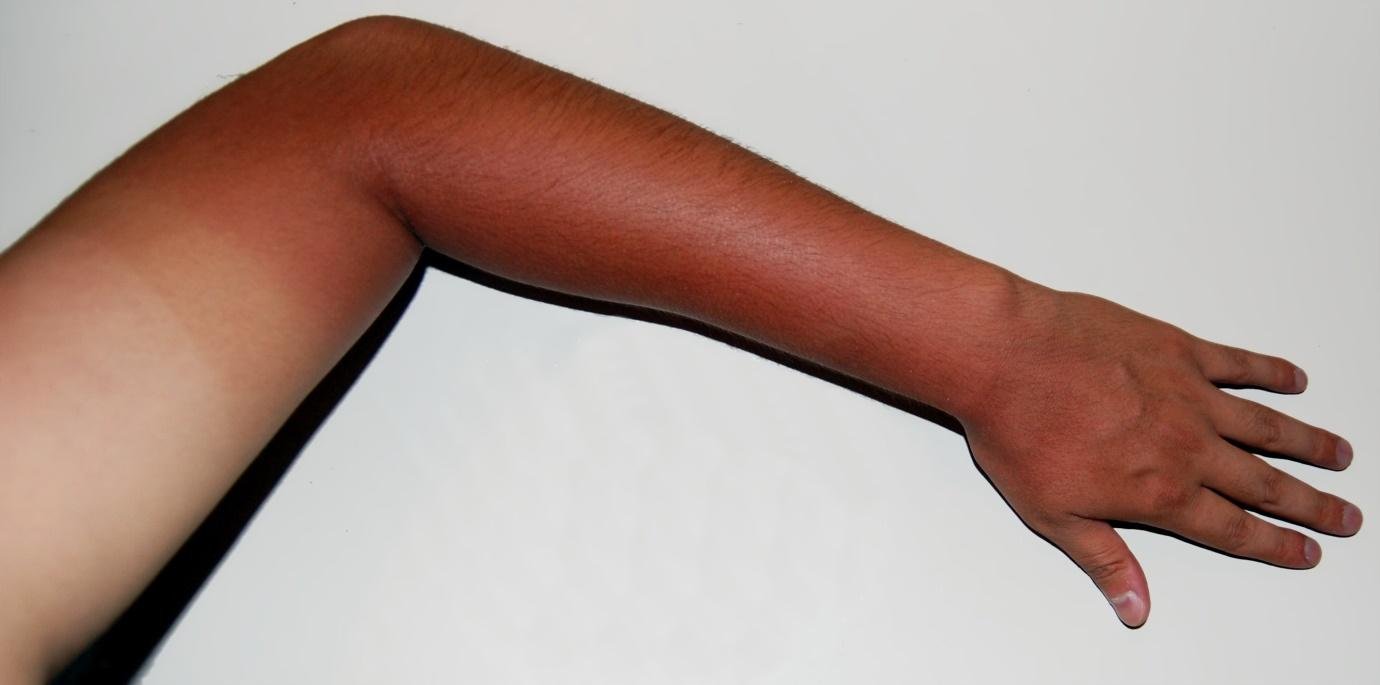
Skin tanning is the process by which your skin darkens after exposure to UV rays — either from the sun or artificial source of UV light. When UV rays penetrate the skin, they stimulate melanocytes, the pigment-producing cells, to increase melanin. This pigment acts as a natural shield to protect deeper layers of your skin from sun damage.
There are two types of tanning:
Immediate tanning (UVA rays): Happens within minutes and causes temporary darkening by oxidizing existing melanin.
Delayed tanning (UVB rays): Develops over 2–3 days due to increased melanin production.
What Causes Skin Tanning?
Skin tanning is primarily caused by exposure to ultraviolet radiation. Major contributors include:
1. Sun Exposure
Prolonged time outdoors, especially between 10 AM to 4 PM, when UV rays are strongest, leads to tanning and sunburn.
2. Tanning Beds and Lamps
Artificial tanning devices emit UVA and UVB radiation, often at higher concentrations than natural sunlight, increasing your risk of premature aging and melanoma.
3. Lack of Sun Protection
Not wearing SPF allows UV radiation to penetrate unprotected skin, accelerating melanin production and increasing pigmentation.
4. Environmental Factors
Living in high-altitude or tropical regions with intense sunlight can increase tanning risk due to stronger UV exposure.
How to Prevent Skin Tanning: Smart Sun Habits
Tanning is preventable with proper care. Here’s how to protect your skin daily:
Use a Broad-Spectrum Sunscreen
Choose SPF 30 or higher with both UVA & UVB protection
Reapply every 2 hours, especially after swimming or sweating
Wear Protective Clothing
Long sleeves, wide-brimmed hats, and sunglasses provide physical sun barriers
Consider UV-protective fabrics when outdoors
Avoid Peak UV Hours (10 AM – 4 PM)
Stay in the shade or plan outdoor activities in early morning or late afternoon
Use a Vitamin D Supplement Instead of Tanning
You don’t need a tan to get your vitamin D — supplements or fortified foods are safer
How to Remove Tan from Skin?
If you’ve developed a tan and want to lighten your skin tone, there are safe and effective treatments available, consult your dermatologist starting anything new.
Topical Creams & Serums
Vitamin C: Brightens skin and inhibits melanin production.
Niacinamide: Helps reduce pigmentation and improves barrier function.
Kojic Acid & Alpha Arbutin: Inhibit melanin synthesis for a more even skin tone.
Exfoliating Treatments
Chemical peels (glycolic, lactic acid): Gently remove dead skin and reduce pigmentation.
Laser Therapy
Fractional Laser or Q-switched Laser can help reduce deeper pigmentation and stimulate collagen
Best Practices to Reverse Tan & Restore Radiance
Follow a consistent morning and evening skincare routine
Focus on hydration, antioxidants, and sun protection
Avoid harsh DIY remedies like baking soda or undiluted lemon juice, which can damage skin
Choose Glow Over Tan.
While a tan might offer temporary appeal, the long-term risks far outweigh the benefits. Whether you’re looking to prevent sun damage, reverse a tan, or maintain your natural skin tone, the best approach is to protect, hydrate, and treat your skin gently.
By adopting sun-safe habits and using effective skincare solutions, you’ll keep your skin healthy, radiant, and youthful — without the risk.