Our Blogs Posts

Take a look at the most recent hospital news

Explore our blog for the latest medical knowledge, patient stories, and tips to lead a healthier life.

Urticaria and Angioedema

Urticaria and angioedema are common allergic skin conditions that can significantly affect quality of life. While they are often seen together, they involve different layers of the skin and present with distinct symptoms. Early recognition and appropriate treatment under the guidance of a dermatologist or allergy specialist are essential for effective control.

Keloids and Hypertrophic Scars: Causes, Differences, Prevention, and Treatment Options.

Scarring is a natural part of the skin’s healing process. However, in some individuals, scars can become raised, thick, itchy, or cosmetically distressing. Two such abnormal scars are keloids and hypertrophic scars. These conditions are common in darker skin types, including Indian skin, and often require expert dermatological care for optimal management.

Comprehensive Guide to Anti-Aging Treatments for the Face.

Facial aging is a gradual and multifactorial process influenced by intrinsic factors such as genetics and hormonal changes, as well as extrinsic factors including ultraviolet exposure, pollution, lifestyle habits, and stress.

Nail Infections: Causes, Who Gets Them, Signs, and Prevention.

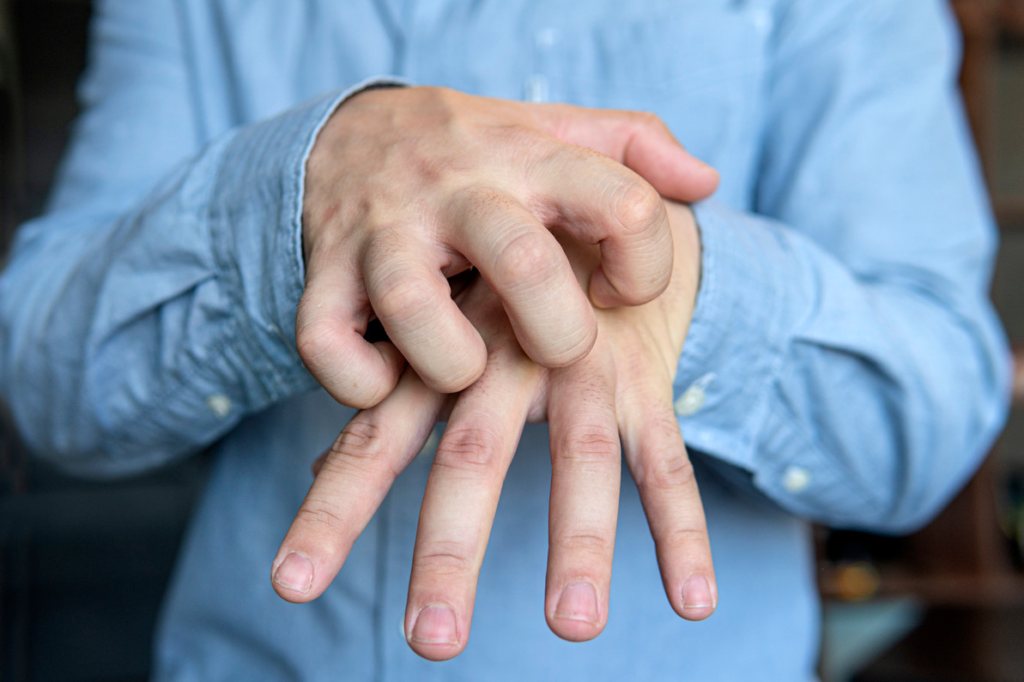
Nail infections are a common condition affecting both fingernails and toenails. They are most often caused by fungal or bacterial organisms, but certain nutritional deficiencies, medical conditions, and lifestyle factors can weaken the nails and increase susceptibility toinfection.

Sunscreens for Indian Skin: A Complete Guide for Indian Climate and Skin Types.

Sun protection is especially important in India due to high UV exposure, tropical climate, humidity, and year-round sunlight. Indian skin tones, while naturally richer in melanin, are still highly susceptible to pigmentation, tanning, melasma, premature aging, and sun-induced skin damage.

How to Beat Dry Skin This Winter: Ceramides, Hyaluronic Acid & Simple Steps.

Winter brings low humidity, cold winds, and hotter showers — all of which weaken the skin’s moisture barrier. Scientific research shows that cold and dry air increase transepidermal water loss (TEWL), meaning your skin loses moisture faster than it can replace it. This leads to: